
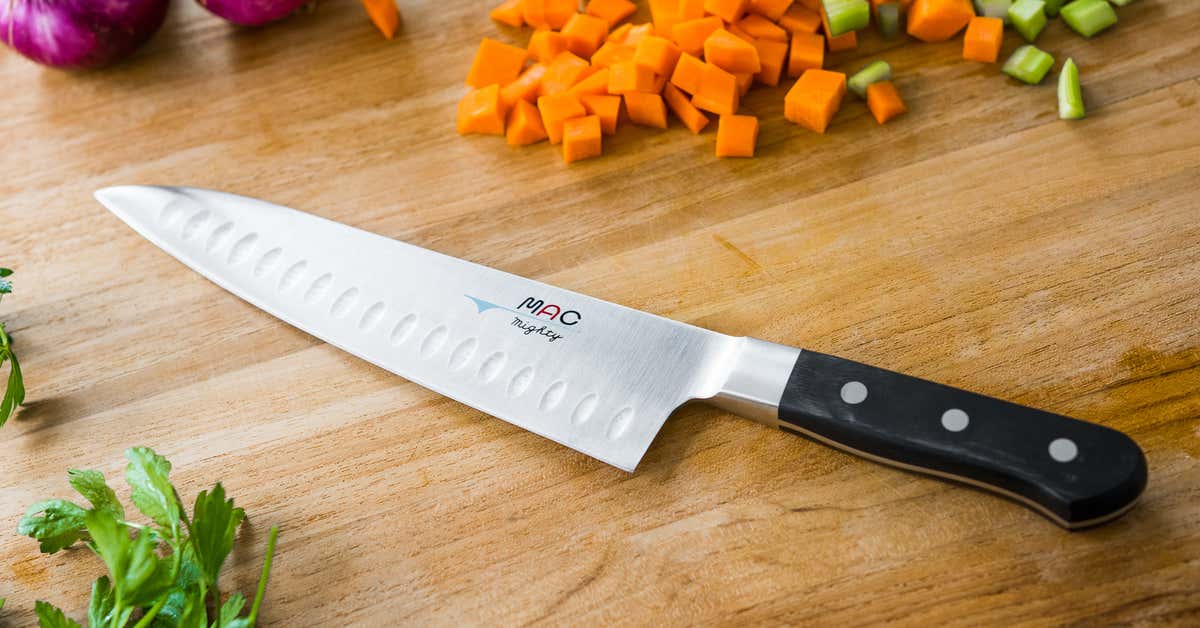
Kitchen knives are essential in any kitchen. They allow you to chop, slice, peel, and fillet food with precision—tasks that are difficult to achieve with other appliances.
When buying a kitchen knife, you should consider several factors. These include the material of the blade and handle, as these will affect its durability and performance. Each task, whether it’s chopping, slicing, or filleting, often requires a different type of knife.
Key Features of the Best Kitchen Knives
One important factor is blade size. For beginners, the size of the blade plays a crucial role in balance and manageability.
In addition to blade size, the material used for the handle is essential. Some common materials include wood, rubberized coatings, metal, plastic, and high-quality options like Micarta and Polyoxymethylene (POM).
Handle Materials and Their Impact on Knife Performance
Wooden Handles
Wooden handles are often favored for their comfort. Although wood can be porous, modern treatments prevent issues during home use.
Rubberized Coatings
Some handles come with a soft, rubberized coating. This makes long-term use more comfortable, although it’s important to choose a non-porous material to avoid bacterial growth.
Metal Handles
Metal handles are sturdy and offer a balanced weight, but they can become slippery when wet.
Plastic Handles
Plastic handles are commonly found on cheaper knives. However, they often lack the balance needed for extended use.
Micarta Handles
Micarta handles, made of resin and cloth or paper, are highly resistant to temperature changes, humidity, and corrosion. This material is popular for its versatility and unique designs.
Other Premium Materials
Some high-end knives, such as the Japanese Shun Damascus or some Mac knives, use pakka wood, which offers a rare finish for kitchen knives.
Blade Insertion: Full Tang vs. Partial Tang
The way the blade is inserted into the handle is another important feature. There are three types of tangs:
-
Full Tang: The metal tang runs the full length of the handle, typically secured with rivets. These knives are considered higher quality due to their durability and balance.
-
Half Tang: The tang only extends partially into the handle, usually about halfway or three-quarters.
-
Hidden Tang: The tang is concealed within the handle, providing a cleaner look.
Blade Types: Stamped vs. Forged
Blades come in two main types:
-
Stamped Blades: These blades are made by pressing molten metal into shape. They tend to be cheaper.
-
Forged Blades: These are made from steel that’s heated and shaped with a hammer. Forged blades are generally more durable.
Blade Materials: Carbon Steel, Damascus Steel, and More
There are several materials used for kitchen knives, each with its own advantages:
-
Carbon Steel: Offers excellent sharpness but requires proper care to avoid rust.
-
BG42, ATS34, and 154CM Stainless Steel: High-end steels with great edge retention.
-
Damascus Steel: Known for its strength and ability to hold an edge, this steel is highly prized in cutlery.
Other materials include titanium, ceramic, and stainless steel (e.g., 440 or 420), each with unique properties such as resistance to rust or lightweight advantages.
The Importance of Knife Weight and Balance
The overall weight and balance of a knife influence its performance. Knives with a balanced weight, particularly in the blade, are easier to handle and provide better control.
Key Factors to Consider When Buying a Kitchen Knife
When purchasing a kitchen knife, focus on these important factors:
-
Handle: Ensure the handle is ergonomic and comfortable, especially for prolonged use.
-
Blade: The blade should be durable and sharp for longevity and efficiency. Thicker blades are better for filleting meat, while thinner ones are ideal for fruits and vegetables.
-
Edge: Choose between a serrated or smooth edge. Smooth edges are more common and offer better control for general kitchen tasks.
-
Weight: A lighter knife is easier to use for extended periods and provides better efficiency during food prep.
Conclusion
Choosing the right kitchen knife can significantly enhance your cooking experience. It will not only make your tasks easier but also save time and money in the long run. Investing in a high-quality knife is a smart decision that will improve both comfort and efficiency in your kitchen.
By paying attention to the material, design, and weight of the knife, you can ensure that you select one that meets your needs and enhances your culinary skills.