
10 Must-Have Kitchen Tools for Every Home Chef in 2025

In today’s fast-paced world, the kitchen has become more than just a space for preparing meals—it’s the heart of the home. Whether you’re a seasoned home chef or just beginning your culinary journey, having the right tools can transform your cooking experience from stressful to seamless. At StarKitchenware.com, we believe that the right kitchen gear is not just a luxury—it’s a necessity.

To help you stay ahead in 2025, we’ve curated a list of the 10 essential kitchen tools that every home chef should own. These tools combine functionality, innovation, and durability, making your time in the kitchen more efficient and enjoyable.

1. High-Quality Chef’s Knife

Why You Need It:
A chef’s knife is the backbone of any kitchen. From slicing vegetables to trimming meat, it handles nearly every task. Therefore, investing in one with a full tang and ergonomic grip ensures balance and comfort.

Expert Tip: Keep it sharp! A well-maintained knife is safer and more precise.

2. Non-Stick Cookware Set

Why You Need It:
Gone are the days of scrubbing stuck-on eggs. Non-stick pans save time and energy while making healthy cooking with less oil possible. Moreover, they are great for beginners and experienced cooks alike.

2025 Upgrade: Look for toxin-free, ceramic-coated options that are compatible with induction and traditional stovetops.

3. Digital Meat Thermometer

Why You Need It:
Perfectly cooked meat isn’t just about taste—it’s about safety. A digital meat thermometer ensures your food reaches the right internal temperature without guessing.

Star Pick: Opt for one with Bluetooth connectivity so you can monitor temps from your phone!

4. Adjustable Measuring Spoons and Cups

Why You Need It:
Accurate measurements are critical, especially for baking. Adjustable tools save space and improve accuracy, minimizing the number of utensils needed.

Pro Tip: Stainless steel is more durable and dishwasher-safe, making cleanup easy.

5. Multi-Functional Food Processor

Why You Need It:
From chopping and shredding to blending and mixing, a food processor is your sous chef. It drastically cuts down prep time, allowing you to spend less time in the kitchen and more time enjoying your meal.

What to Look For: Multiple speed settings, a large capacity bowl, and dishwasher-safe parts.

6. Silicone Spatula Set

Why You Need It:
Silicone spatulas are heat-resistant, flexible, and gentle on non-stick surfaces. Use them for scraping, folding, sautéing, or spreading.

Why It’s a Must: They’re hygienic (non-porous) and won’t scratch your expensive cookware.

7. Airtight Food Storage Containers

Why You Need It:
Preserve freshness, reduce waste, and stay organized. Airtight containers are ideal for meal prepping, storing leftovers, or bulk pantry items.

Smart Tip: Choose clear, BPA-free containers with stackable designs for easy storage.

8. Cast Iron Skillet

Why You Need It:
A cast iron skillet offers unmatched heat retention and flavor enhancement. It’s perfect for searing, baking, frying, or roasting. In 2025, new models come pre-seasoned and easier to clean—an old-school tool with modern upgrades.

9. Immersion Blender

Why You Need It:
Skip the bulky blender. Immersion blenders let you puree soups, whip cream, or blend sauces right in the pot or container. This eliminates the need for transferring hot liquids, reducing mess and saving time.

Feature to Look For: Variable speed settings and removable attachments for easy cleaning.

10. Smart Kitchen Scale

Why You Need It:
For portion control, calorie counting, or perfect baking, a digital kitchen scale ensures precision every time.

2025 Advantage: Some models connect to apps and track nutrition for health-conscious chefs, making them even more valuable in today’s kitchen.

Final Thoughts: Build a Smarter Kitchen

Your kitchen is only as good as the tools you equip it with. Investing in quality kitchenware not only improves your results—it saves you time and inspires confidence in your cooking. Whether you’re prepping weeknight dinners or entertaining guests, these 10 must-have tools will help you cook smarter, not harder.
Maximizing Your Pantry Space: How to Organize for a Healthier Lifestyle

Are you tired of rummaging through your pantry only to find expired or forgotten items? Do you need help with organizing your food supplies in a way that promotes healthy eating habits? Look no further! In this blog post, we’ll explore practical tips and tricks for maximizing your pantry space and creating an organized environment that supports a Healthier Lifestyle. From decluttering to labelling, transform your pantry into a functional and inspiring space. Let’s dive in!

Introduction

If you’re like most people, your pantry is a cluttered mess. Cans of soup, boxes of cereal, and bags of chips crammed onto shelves. It’s time to take control of your pantry and maximize the space for a healthier lifestyle

Here are some tips for organizing your pantry:

1. Remove everything from the pantry and sort through it. Toss out any expired food or items that you no longer use.

2. Wipe down all the shelves with a damp cloth.

3. Place frequently used items within easy reach on lower shelves. Keep lesser-used items up high.

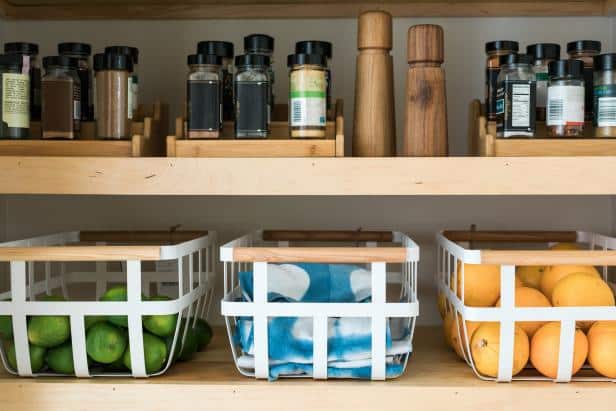
4. Use clear storage containers to store dry goods such as flour, sugar, and rice. This will help keep your pantry more organized and make it easier to see when you’re running low on supplies.

5. Use baskets or bins to organize smaller items such as spices, condiments, and snacks. This will help prevent them from getting lost in the depths of your pantry shelves.

6. Label each container and bin to make it easier to locate items when you need them.

7. Invest in a few shelf risers to create additional space and organize your pantry more efficiently.

8. Place frequently used items like cereal boxes and canned goods in front, so you can easily grab them without moving other things around.

By implementing these tips, you can help maximize your pantry’s space and create a healthier lifestyle for yourself and your family. With careful organization, you’ll easily find what you’re looking for, save time on shopping trips, and reduce food waste by using ingredients before expiration. In addition, having an organized pantry will help eliminate clutter and inspire healthy eating habits. So get started today!

Decluttering Your Pantry

If your pantry is anything like ours, it’s probably full of random boxes, cans, and containers. Sound familiar? If so, it’s time for a declutter! Here are some tips to help you get started:

1. Start with a blank slate. Empty everything in your pantry, including all those pesky items lingering in the back for months (or even years!).

2. Give your pantry a good cleaning. This is the perfect time to wipe down shelves and walls, sweep up crumbs, and freshen up the space.

3. Sort through all of your items. Donate non-perishable food items you know you won’t use to your local food bank. Toss anything that’s expired or past its prime. And finally, put everything else into categories so you can easily find what you’re looking for later on.

4. Invest in some storage solutions. This may mean purchasing new bins or containers to help keep things organized. But trust us; it will be worth it in the long run!

5. Put everything back in its place. Once you’ve decluttered and organized your pantry, it’s time to put everything back in its rightful spot. Take the time to label each shelf or bin so you’ll always know where things are when needed.

Creating a System for Organization

When it comes to organizing your pantry, there are a few key things to keep in mind. First, you want to create a system that works for you and your family. This may mean investing in storage containers or shelves specifically designed for pantry use.

Secondly, you’ll want to inventory what you have and how often you use it. This will help you determine what needs to be within easy reach and what can be stored elsewhere. Remember, food safety! Keep perishable items properly stored and rotate them to stay active before you can use them.

With these tips in mind, let’s look at how you can create an organizational system for your pantry to help make meal planning and preparation easier and less stressful.

One way to organize your pantry is by grouping items by category. For example, store all your canned goods, dry goods, etc. This will make it easier to find what you need when looking for it. Another way to organize your pantry is by frequency of use.

Keep the items that you use most often within easy reach and store the items that you use less often on higher shelves or in harder-to-reach places. Make sure to label everything! Labelling will help everyone in your household know where things go and make putting things away quicker and easier.

Creating an organizational system for your pantry can be simple and manageable. All it takes is a little planning and organizing to ensure everything has its place.

Stocking Your Pantry with Healthy Foods

When stocking your pantry with healthy foods, remember a few key things. First, focus on stocking up on fresh fruits and vegetables, as well as whole grains and lean protein sources. These items will form the foundation of your healthy eating habits.

In addition to these basics, be sure to include healthy fats, such as olive oil or avocados, and plenty of herbs and spices. These items will help give your meal flavour and make it more enjoyable to eat.

Remember to stock up on water. Plenty of water on hand will help you stay healthier lifestyle hydrated throughout the day and ensure you get all the nutrients your body needs.

Creative Storage Solutions

If your pantry is anything like ours, it’s probably crammed with boxes, cans, and other random items. While there’s no hope for organization, a few creative storage solutions can help maximize your space.

Here are a few of our favourite ideas:

1. Use clear containers: This will help you see what you have and make it easier to grab what you need.

2. Put frequently used items at eye level: No more digging around for the things you use all the time!

3. Label everything: This will save you time and frustration in the long run.

4. Invest in some shelving: Extra shelving can be useful when organizing a small space.

5. Utilize vertical space: Stack things up! It’s a great way to make use of otherwise wasted space.

Tips for Keeping Your Pantry Organized

When it comes to organization, your pantry is key. Here are a few tips to help you keep your pantry organized:

1. Keep things at eye level. This will help you see what you have and ensure you remember items.

2. Use clear containers. This will help you see what’s inside and make it easier to grab what you need.

3. Label everything. This will help you find things quickly and know when something is running low.

4. Invest in a good storage system. This can be anything from shelves to baskets to drawers. Find something that works for you and your space.

5. Don’t overbuy. Only buy what you need and use it regularly. This will help keep your pantry manageable and manageable.

6. Make use of the space inside your pantry door. This is a great spot to store items like spices, oils, and other small items that can be off display.

7. Donate or throw away expired items. This will help keep your pantry clear of food items that are no longer safe.

Conclusion

If you take the time to organize and maximize your pantry space properly, you’ll be on your way to leading a healthier lifestyle. Considering some of these tips will ensure you can easily find what you need in your kitchen.

You’ll also save yourself a lot of time when cooking meals or snacks quickly and efficiently. Get creative with storing items, but make sure they’re easy to access so that healthy eating becomes part of your new routine!

The Must-Have Kitchen Tools for Nonstick Cookware Users

Cooking can be a fun and rewarding experience. Still, getting the perfect results you want can be challenging, especially when dealing with nonstick cookware, which requires special care and attention to prevent scratches or damage.  That’s why having the right kitchen tools is crucial for any home cook who wants to achieve great taste without sacrificing their pots and pans. In this blog post, we’ll explore some of the must-have kitchen tools for nonstick cookware users that will help you become a master chef in your kitchen!

What are the Best Cooking Utensils for Nonstick Cookware?

When it comes to cooking with nonstick cookware, you’ll want to ensure you have the right tools for the job. Here are some of the best cooking utensils for use with nonstick cookware: 

Cast Iron Skillet: Cast iron skillets are a classic choice for cooking with nonstick cookware. They distribute heat evenly and make great substitutes for ovens or stovetops.

Skillet Lid: A skillet lid is a must-have accessory for any cast iron skillet. It helps to keep the heat in and prevents food from sticking to the pan.

Silicone brushes are perfect for cleaning pots and pans without scratching the surface. They’re also heat resistant, so you can use them on hot surfaces without fear of burning your hand.

Tea strainer: A tea strainer is an essential tool for making the perfect tea every time. It lets water run smoothly without clogging up your pot or pan.

Types of Nonstick Cookware

Nonstick cookware is a must-have for anyone who wants to avoid sticking and difficult clean-up. There are many types of nonstick cookware, from Teflon-coated pans to silicone-coated pans. 

Teflon-Coated Pans: Teflon-coated pans are the most popular type of nonstick cookware. They work by coating the pan with a thin layer of Teflon which prevents sticking and makes cleaning much easier. 

Silicone-Coated Pans: Silicone-coated pans are also popular because they are durable and resistant to staining. They work by applying a thin layer of silicone to the pan, which makes it nonstick but also helps to prevent sticking.

How to Use the Best Cooking Utensils for Nonstick Cookware?

There are a few tools that every nonstick cookware user should have in their arsenal. A good chef’s knife is essential for slicing and dicing vegetables, meats, and fruits. A sturdy pair of tongs is also key, as they’re perfect for transferring food from the pan to your plate. 

You don’t need many of them, just enough to grip the pan securely. Finally, a silicone spatula is ideal for scraping the bottom of the pan without damaging your nonstick surface. These are all must-haves for any home cook looking to make delicious meals without ruining their pans!

Buying Guide for the Best Cooking Utensils for Nonstick Cookware

You’ll need some good cooking utensils to cook food nonstick without using oils or butter. Here are four of the best:

1. A slotted spoon removes foods from the saucepan without removing the entire pot.

2. A spaghetti fork is perfect for stirring and flipping pasta in a pot of boiling water or stock.

3. An immersion blender – an immersion blender can be used to create smooth sauces and soups by blending them directly into the pot.

4. A whisk is perfect for combining ingredients in a pot or mixing them up before transferring them to another container.

These are just a few of the best cooking utensils for nonstick cookware. If you have any questions about what specific utensils would be best for your needs, ask your cookware manufacturer or an expert before purchasing.

Conclusion

If you’re anything like me, you’ve been using the same nonstick cookware for years without realizing how bad it’s been for your health. Not only is using nonstick cookware bad for your cooking results, but it’s also incredibly harmful to your health. 

If you want to start cooking healthier, safer meals with better results, you must invest in new kitchen tools. In this article, we’ve highlighted five essential tools that will help do cooking without nonstick cookware, a thing of the past. Thanks for reading!