
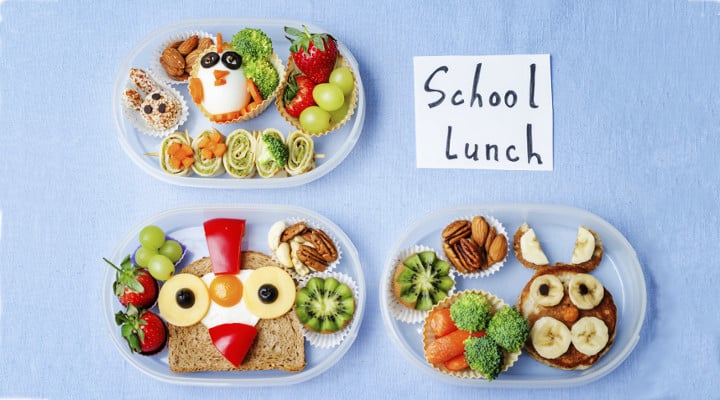
Are you tired of your picky eater’s diet eater turning up their nose at anything green on their plate? Do you want to ensure they get the necessary nutrients without a battle at mealtime? Look no further! This blog post will explore creative and delicious ways to sneak veggies into your child’s diet. From hidden veggie recipes to fun food art, these ideas will have your little ones gobbling up their greens quickly. Say goodbye to the dinner table battles and hello to healthy, happy kids!
Understanding Picky Eaters
When it comes to getting your picky eater to eat their veggies, it’s important to understand why they may be hesitant. Some common reasons include texture, taste, or even the visual of the vegetable itself. If you can identify the reason behind their aversion, you can be more creative in incorporating vegetables into their diet.
For example, if your child doesn’t like the texture of raw carrots, try cooking them until they’re softer. You can also puree vegetables and add them to soups or sauces for a subtle flavor.
If your child is put off by the color or appearance of a vegetable, try serving it with dip or hiding it in a favorite dish. With a little creativity and understanding, you can help you Picky Eater’s Diet get the nutrients they need from vegetables.
Tips for Incorporating Veggies into Meals
1. Get creative with veggie-based dishes: There are endless possibilities when creating delicious, veggie-packed meals. Think outside the box and get creative with your recipes.
2. Incorporate veggies into familiar dishes: If your picky eater hesitates to try new things, start by incorporating vegetables into dishes they already know and love. For example, add grated carrots to spaghetti sauce or diced zucchini to macaroni and cheese.
3. Serve veggies as dipping options: Many kids love to dip their food, so make veggies more appealing by offering them as a dipping option. Veggies like celery, carrot sticks, and bell peppers are perfect for this. Serve them with a healthy dip like hummus or Greek yogurt ranch dressing.
4. Make veggie-based snacks: Snacks are a great opportunity for extra veggies. Try making homemade veggie chips, roasted kale chips, or carrot muffins.
5. Use stealthy strategies: Try sneaking veggies into your picky eater’s diet if everything fails. Add puréed vegetables to soups or sauces, or shred them into ground meat dishes like burgers or meatloaf.
Creative Recipes to Try
If your picky eater isn’t eating their veggies, don’t worry! There are plenty of creative ways to sneak veggies into their diet. Here are some recipes to try:
-Veggie-filled omelet: Add shredded carrots, diced tomatoes, and spinach to a classic omelet.
-Zucchini bread: This delicious bread is chock-full of healthy zucchini.
-Spaghetti squash with tomato sauce: A great way to sneak in extra veggies is by substituting spaghetti squash for regular pasta. Top with your favorite tomato sauce, and voila!
-Carrot cake: You can’t go wrong with a classic carrot cake. The perfect combination of sweet and nutritious.
Hopefully, these recipes will help your picky eater eat their veggies!
Benefits of Eating Vegetables
One of the main benefits of eating vegetables is that they are packed with essential nutrients for our health. Vegetables are a good source of vitamins, minerals, and fiber, and they can help us reduce our risk of developing chronic diseases such as heart disease, stroke, and cancer.
Vegetables are also low in calories and fat, making them a great choice for those trying to lose or maintain a healthy weight. And, since they take longer to digest than other foods, they can help us feel fuller for longer and prevent us from overeating.
Tips for Making Vegetables Look and Taste Appetizing
1. Incorporate vegetables into foods that your p[icky eater’s diet already enjoys. For example, add finely chopped veggies to the sauce if they love spaghetti.
2. Get creative with vegetable shapes and sizes. Use a cookie cutter to create fun shapes, or cut them into thin strips that are easy to eat.
3. Ensure the vegetables are cooked to your Picky Eater’s Diet liking. Some people prefer softer vegetables, while others like them crispier.
4. Season the vegetables with herbs and spices your picky eater enjoys. This can make a big difference in how much they enjoy the dish.
5. Serve the vegetables as part of a larger meal so they feel like they’re eating something other than vegetables. Pair them with protein and some whole-grain toast for a complete meal.
Alternatives to Traditional Cooking
You should get creative when it comes to getting your picky eater to consume more vegetables. Here are some alternatives to traditional cooking methods that may help:
1. Juicing – This is a great way to sneak in extra veggies without your picky eater even knowing. You can add them to juices or smoothies; they’ll never be the wiser.
2. Souping – Making soups is another great way to sneak in veggies. You can puree the vegetables so they’re not as noticeable or chop them up into small pieces.
3. Veggie-based meals – Plenty of meals are naturally high in vegetables, like ratatouille, minestrone, and vegetable lasagna. By preparing these meals, your picky eater will get their recommended daily intake of veggies without even realizing it.
4. Hidden veggies – If all else fails, you can always try hiding veggies in other foods. For example, add shredded carrots to pasta sauce or diced peppers to macaroni and cheese. With a little creativity, you can ensure your picky eater gets their veggies without any fuss.
5. Raw veggies – Sometimes, it’s best to keep things simple. If your picky eater doesn’t eat cooked veggies, try serving them raw with a dip or salad dressing. Carrot and celery sticks are always a hit!
Conclusion
With a little creativity and patience, getting even the pickiest eaters to enjoy their veggies is possible. Whether you try out one of our suggestions or come up with your own, there are plenty of ways to sneak more veggies into your child’s diet without them noticing. Plus, introducing them to various vegetables at an early age can help set healthy eating habits that will last a lifetime!