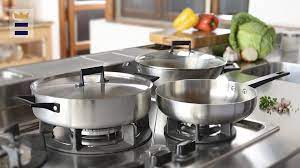
Unveiling the Truth: Is Hard Anodized Cookware Safe?

Are you a cooking enthusiast who values both taste and safety? Then, listen up! We’re about to unveil the truth behind an essential tool in every kitchen: hard anodized cookware. Its sleek appearance, durability, and nonstick properties make it increasingly popular among home cooks. But here’s the burning question: is hard anodized cookware safe for everyday use? Join us on this riveting journey as we dive deep into the facts, myths, and scientific findings to uncover the ultimate truth about your beloved pots and pans. Get ready to have your culinary world turned upside down – it’s time to separate fact from fiction once and for all!

What is Hard Anodized Cookware?

Hard anodized cookware is made by electrochemically treating the surface of aluminum cookware. This creates a more complex, durable surface resistant to wear and tear. Hard anodized cookware is also less likely to stick to food, making it a popular choice for cooking.

However, there are some concerns about the safety of hard anodized cookware. The electrochemical process to create the hard anodized surface can release harmful chemicals into the environment. And, while the hard anodized exterior is more resistant to sticking, it can still be scratched or chipped, casting aluminum into food.

So, is hard anodized cookware really safe? The jury is still out. Some experts believe that the benefits of hard anodized cookware outweigh the risks, while others believe the chances are too great. If you’re concerned about the safety of hard anodized cookware, consider using another type of cookware instead.

Pros and Cons of Hard Anodized Cookware

There are many different materials to choose from when it comes to cookware. Hard anodized cookware is one option that has gained popularity in recent years. But is it safe? Here, we look at the pros and cons of hard anodized cookware to help you make an informed decision.

Hard anodized cookware is made by submerging aluminum in a chemical bath and running an electric current through it. This process creates a durable, nonstick surface less likely to scratch or chip than traditional aluminum cookware.

One of the main benefits of hard anodized cookware is that it is non-reactive. This means it won’t leach aluminum into your food, even if you cook acidic foods like tomatoes or lemons. Hard anodized cookware is also less likely to stain than other types of cookware.

Another advantage of hard anodized cookware is that it conducts heat evenly and efficiently. This means your food will be cooked evenly, with no hot spots. Hard anodized cookware is also oven-safe so you can use it for stovetop and oven cooking.

However, there are some disadvantages to hard anodized cookware as well. One downside is that it can be more expensive than other types of cookware.

Additionally, repeated use and washing can eventually wear down the nonstick surface. Finally, hard anodized cookware is not dishwasher-safe and must be hand washed to maintain its nonstick properties.

Overall, hard anodized cookware has some great benefits, making it a popular choice among cooks. It’s non-reactive, conducts heat evenly, and resists staining.

However, it can be more expensive than other cookware, and the nonstick surface will eventually wear down over time. As with any cookware, it’s essential to consider your needs and preferences when deciding what to use in your kitchen.

Is Hard Anodized Cookware Safe to Use?

If you’re like most people, you may have a few questions about hard anodized cookware. Is it safe to use? What are the benefits? And what are the downsides?

Here’s a detailed look at hard anodized cookware, so you can decide if it’s the right choice for your kitchen.

Hard anodized cookware is made by dipping aluminum cookware into an acid bath. This process creates a more complex, durable surface that is less likely to scratch and stain.

There are a few potential concerns with hard anodized cookware. First, it may leach small amounts of aluminum into food. Second, the nonstick coating on some hard anodized cookware can break down over time and release harmful chemicals into food.

However, these concerns are relatively minor compared to the benefits of hard anodized cookware. Hard anodized cookware is highly durable and easy to clean. It also conducts heat well and is safe to use with metal utensils. Hard anodized cookware is an excellent option for busy cooks who want hassle-free cooking performance.

Are there Alternatives to Hard Anodized Cookware?

There are many different materials to choose from when it comes to cookware. Hard anodized cookware is one option, but it is not the only option. There are a number of alternatives to hard anodized cookware that can be just as safe and effective.

One alternative to hard anodized cookware is stainless steel. Stainless steel is a viral material for cookware because it is non-reactive, durable, and easy to clean. It is also a good choice for those looking for an alternative to hard anodized cookware because it is less likely to scratch or chip.

Another alternative to hard anodized cookware is enameled cast iron. Enameled cast iron is an excellent choice for cooking because it retains heat well and distributes heat evenly.

It is also non-reactive, so that it won’t leach flavors or chemicals into your food. Enameled cast iron is also easy to clean and maintain.

Another alternative to hard anodized cookware is ceramic-coated cookware. Ceramic-coated cookware is made of metal coated with a layer of ceramic. This type of cookware is non-reactive, durable, and easy to clean. It also heats evenly and retains heat well.

Care and Maintenance for Hard Anodized Cookware

Hard anodized cookware is a popular choice for many home cooks because it is durable and easy to care for. However, you should know a few things about hard anodized cookware before you use it.

First, it is essential to note that hard anodized cookware is not nonstick. This means you will need to use cooking oil or spray when using this cookware. Secondly, hard anodized cookware can be scratched easily, so be careful when using metal utensils. This cookware should not be placed in the dishwasher because the detergent can damage the finish.

To clean hard anodized cookware, wash it with soap and water. You can also use a gentle scrubber if there are any stubborn spots. Be sure to dry the cookware thoroughly before storing it.

Conclusion

In conclusion, hard anodized cookware is an excellent choice for your kitchen if you want non-toxic and durable cooking equipment.

Although there are some potential issues to be aware of when using this type of cookware, most of them can easily be avoided with proper care and maintenance.

With its many benefits, it’s no wonder why hard-anodized cookware has become such a popular option among health-conscious cooks.
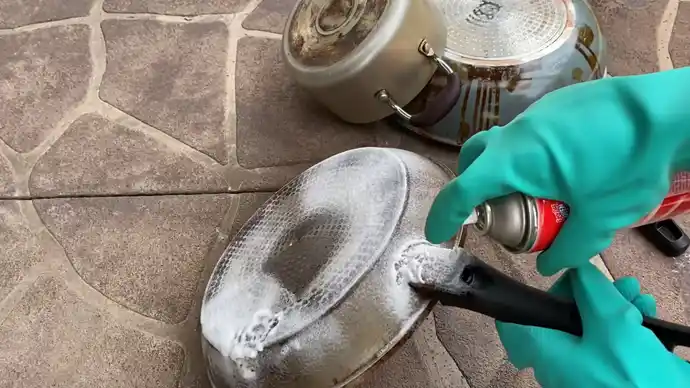
How to Clean Hard Anodized Cookware Interior and Exterior

Hard anodized cookware is one of the most popular types of cookware in the modern kitchen. People choose this cookware because of its so many great features. This cookware is lightweight, durable, strong, and affordable. Anodized cookware makes the cookware harder than other usual metal cookware products. If you take a little care of your anodized cookware it will give you excellent performance for a long time.

And the most important point is, hard anodized cookware is safe for healthy cooking. Some people are scared to have a hard anodized cookware set because they don’t know how to take care of this cookware. In this article, I will share some most useful tips on how to clean hard anodized cookware including interior and exterior. Let’s check below.

Tips and Tricks on How to Clean Hard Anodized Cookware

If you do not clean your hard anodized cookware appropriately, then it will turn useless in a very short period of time. That is why you have to clean your cookware perfectly to take very good care of it. There are some tips and tricks to clean your anodized pots and pans properly.

Ways to Clean Hard Anodized Cookware Interior

To preserve your cookware properly clean the inside carefully. There are ways on how to clean hard anodized cookware interior just below.

To protect your hard-anodized pots or pans from unexpected damage it is essential to clean the cookware with proper cleaners. Otherwise, your kitchenware would damage within a short time.

At first, you need a mild dishwashing powder to clean your hard-anodized cookware. Do not use any harsh detergent to clean non-stick cookware. Harsh detergent could damage the non-stick coating of your pans. Moreover, avoid using alkaline or baking-soda based cleaners on the inside of the hard-anodized cookware.

You can use mild scouring powder to clean Hard Anodized Pots And Pans. Scrub the inside of the cookware with non-abrasive sponges, soft-bristled cleaning brushes, scrubby sponges, dishcloths or rags. Do not use steel wool on the surface of the non-stick cookware. Steel wool can cause scratches or damage on the surface of the pans or pots.

You must avoid the use of cleaning solutions that are not intended for cleaning your hard-anodized cookware. Do not use oven cleaner or caustic cleaner on your cookware.

Never use any liquid household cleaners such as floor cleaners, grout cleaner, silver polish, or porcelain cleaner. Most of the time these cleaners contain ammonia or bleach which is harmful to hard-anodized cookware nonstick surfaces.

Wash the cookware thoroughly before using it and dry it perfectly. Although if you have new anodized cookware in your kitchen, then it is necessary to wash it before use. You can use warm water and gentle dish soap to clean it simply.

Do not sink hot cookware in cold water. Allow your pans or pots to cool completely before washing. Otherwise, cold water can wrap or pervert your hot pans.

There is another useful option for you, you can put your hot pans or pots in hot water and cold pans in cold water. This simple method will prevent your kitchenware from the wrap.

It is recommended to clean the pots or pans after every use to avoid any unexpected mess. You can clean your hard-anodized non-stick cookware set with water or can wipe with a soaked cloth. It will help you to remove residue from the cookware and will make your pans ready for another use.

If you are a user of Calphalon hard-anodized cookware it’s better to clean your cookware traditionally by your hand. You can use warm or hot water and mild dish soap to clean your pots and pans. Or you can wash your kitchenware with mild dishwasher liquid. It would be the best option for you to clean your cookware effortlessly.

However, you can also check the video below to know more details about cleaning Calphalon Hard Anodized Pots And Pans.

If you have very difficult stains or residue on the cookware surface, then you can simmer dish soap in the cookware. Fill up your cookware with water and add some mild dishwasher liquid or soap. Boil it at least for 20 minutes and after boiling leave it for 30 minutes to cool.

Remove the stains or residue with a gentle soft-bristled cleaning brush or scrubbing pad. Rinse thoroughly and wash it with lots of water.

The Processes to Clean Hard Anodized Cookware Exterior

Cleaning the outside of the cookware is the essential part to keep it looks new and shiny. Here are some effective tips on how to clean hard  cookware exterior. Check it out to make your Hard Anodized Pots And Pans looks like new.

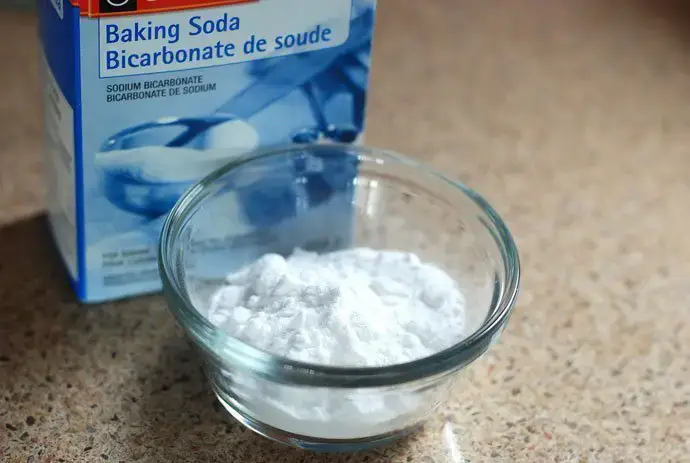
Some kinds of hard-anodized cookware are not resistant to scratch so that you have to clean it properly. Scratches can arrive from burnt meals. At this time, baking soda and water solution will help you to protect your cookware from scratch.

Just keep your nylon scrubber in the water and baking soda mixture for half an hour. After that rinse anodized pots or pans carefully and wash them with water.

How to Clean Hard Anodized Cookware Exterior

Another option to get rid of stains from  cookware is soaking it in warm or hot water and soap. Use a cleaning brush or dishcloth to scrub at the burnt food residue or stains. After that rinse the cookware carefully with water.

Remember one thing, never put your anodized cookware in the dishwasher. Because the dishwasher could make discolor the cookware.

To remove burnt or stains from the outside of your anodized cookware set, you can use scouring powder and warm water. Use a soft-bristled cleaning brush or gentle scrubbing pad to remove the stain.

Rinse the outside of the pans carefully and wash it with normal water. To season your cookware properly dry it completely after every wash.

Final Thoughts

I hope all of the above tips on how to clean anodized aluminum interior and exterior will help you to clean your cookware properly. Applying all of these methods you can protect your cookware for a long time.

Moreover, hard anodized cookware is different from other ordinary cookware. So, you have to take extra care in order to make it last longer.

One more tip for you, season your anodized non-stick pan with oil, it will be helpful to prevent food from sticking to it. Also, you can restore hard anodized cookware easily following the above process.

Anolon Pots and Pans Review

If you are looking for durable, high-quality cookware, this Anolon Pots and Pans Review will help you make the right choice. Anolon is a trusted brand known for producing stylish and long-lasting cookware designed for both home cooks and professional chefs. In this review, we will explore the materials, cooking performance, design, ease of cleaning, and overall value of Anolon pots and pans to help you decide if they are the right addition to your kitchen.

Materials and Build Quality

Anolon pots and pans are made using high-quality materials that improve cooking performance and lifespan. The most common materials include:

Hard-Anodized Aluminum

This is one of Anolon’s most popular materials. Hard-anodized aluminum is stronger than regular aluminum and resists scratches and dents. It heats up quickly and spreads heat evenly, which helps cook food properly without burning.

Stainless Steel

Anolon also offers stainless steel cookware. These pots and pans are strong, rust-resistant, and long-lasting. Stainless steel cookware is ideal for browning, searing, and cooking at higher temperatures.

Aluminum with Copper Base

Some Anolon cookware includes copper in the base. Copper improves heat control and allows faster and more even cooking.

Overall, Anolon cookware feels solid, well-made, and durable.

Cooking Performance

Anolon pots and pans perform very well in everyday cooking. They heat evenly and reduce hot spots, which helps prevent food from sticking or burning.

Many Anolon pans come with high-quality nonstick coatings. These coatings allow food to release easily and require less oil or butter. This makes cooking healthier and easier, especially for eggs, pancakes, vegetables, and fish.

Stainless steel Anolon cookware performs well for cooking meat, sauces, and dishes that need high heat. For best results, it is recommended to preheat the pan and use a small amount of oil.

Nonstick Coating Quality

Anolon uses advanced nonstick coatings that are designed to last longer than standard nonstick surfaces. Most coatings are:

While some models are labeled as metal-utensil safe, it is best to use wooden, silicone, or plastic utensils to extend the life of the coating.

Design and Comfort

Anolon pots and pans are designed for comfort and ease of use.

Handles

The handles are strong, well-balanced, and comfortable to hold. Many handles have silicone or rubber grips that stay cool on the stovetop and provide a secure grip.

Lids

Most Anolon cookware sets include tempered glass lids. These lids allow you to see food while cooking without lifting the lid. This helps retain heat and moisture.

Look and Style

Anolon cookware has a modern and professional appearance. It looks great in both simple home kitchens and modern cooking spaces.

Stove Compatibility

Anolon pots and pans are compatible with different types of stovetops, including:

Some Anolon cookware sets are induction compatible, especially stainless steel and special hard-anodized models. Always check the product details before buying if you use an induction cooktop.

Oven Safety

Most Anolon pots and pans are oven safe up to a certain temperature, usually around 400°F (204°C), depending on the model and handle type. Glass lids usually have lower oven-safe limits.

Always read the manufacturer’s instructions before using cookware in the oven.

Ease of Cleaning and Maintenance

Cleaning Anolon cookware is simple and quick.

However, hand washing is recommended to protect the nonstick coating and extend the life of the cookware. Avoid using metal scrubbers or strong detergents.

Durability and Longevity

With proper care, Anolon pots and pans can last for many years. The materials are strong, and the construction is solid.

Avoid overheating empty pans, using metal utensils, or washing hot pans with cold water to prevent damage.

Anolon also offers warranties on many of its cookware products, which adds extra value and peace of mind.

Pros and Cons

Pros

Cons

Who Should Buy Anolon Pots and Pans?

Anolon cookware is ideal for:

If you want reliable cookware that balances performance and price, Anolon is a great choice.

Frequently Asked Questions (FAQ)

1. Is Anolon cookware safe for health?

Yes, Anolon cookware is safe for everyday cooking. Most nonstick coatings are PFOA-free and do not release harmful chemicals when used properly.

2. Can I use metal utensils with Anolon pans?

Some models claim to be metal-utensil safe, but it is best to use wooden, silicone, or plastic utensils to protect the nonstick coating.

3. Is Anolon cookware dishwasher safe?

Many Anolon pots and pans are dishwasher safe. However, hand washing is recommended to extend the life of the cookware.

4. Does Anolon cookware work on induction stoves?

Some Anolon cookware sets are induction compatible, especially stainless steel models. Always check the product description before buying.

5. Is Anolon cookware oven safe?

Yes, most Anolon cookware is oven safe up to a specific temperature. The limit depends on the model and handle material.

6. How long does Anolon nonstick coating last?

With proper care, the nonstick coating can last for several years. Avoid high heat, metal utensils, and harsh cleaning tools.

7. Is Anolon cookware good for beginners?

Yes, Anolon cookware is very user-friendly and suitable for beginners as well as experienced cooks.

Final Verdict

Anolon pots and pans review offer excellent value for money. They are durable, easy to use, and perform well for everyday cooking. Whether you choose nonstick or stainless steel, Anolon cookware delivers consistent results and long-lasting quality.

Overall, Anolon is a dependable brand that is worth investing in for a better cooking experience.