The Ultimate Guide to Cast Iron Cookware: Benefits, Maintenance, and Usage Tips

Cast iron cookware has been a staple in kitchens for centuries, celebrated for its durability, versatility, and excellent cooking performance. This guide explores the benefits, maintenance tips, and usage techniques for cast iron cookware, helping you maximize its potential in your kitchen.

What is Cast Iron Cookware?

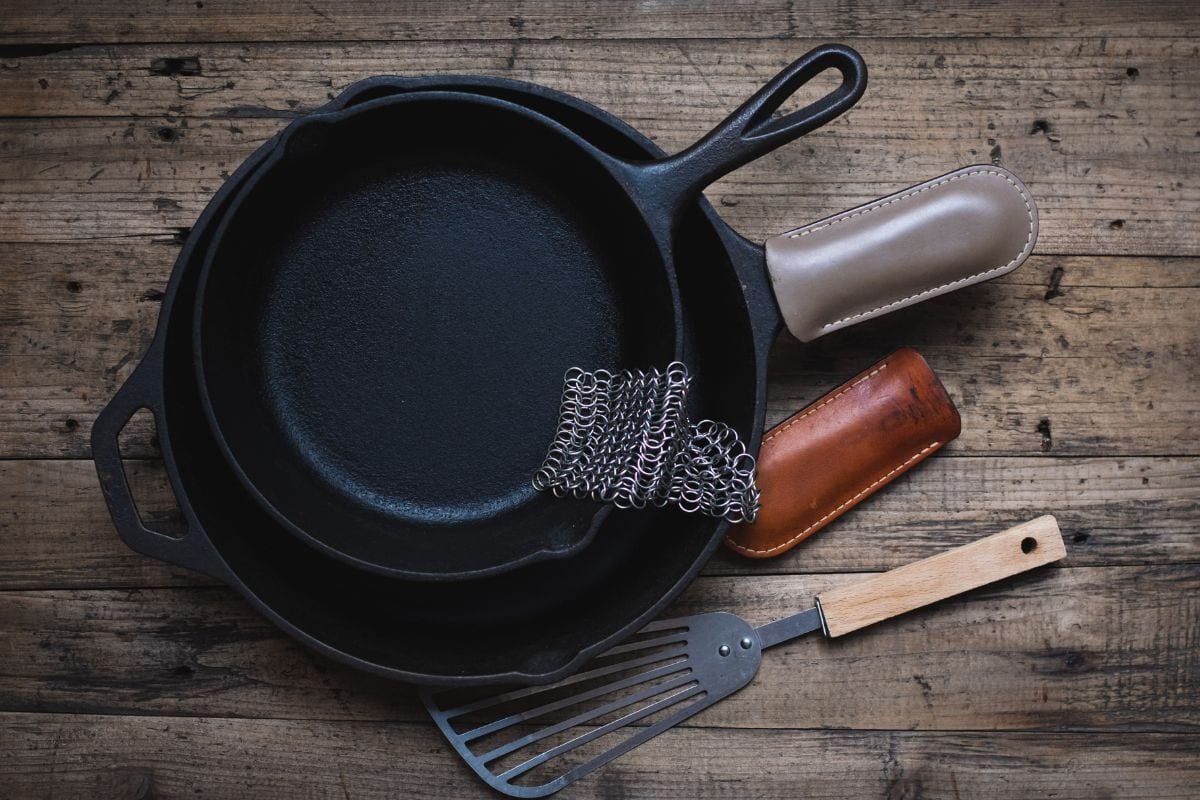
Cast iron cookware is made from molten iron poured into molds, resulting in heavy, durable pots and pans. Available in both enameled and traditional (bare) finishes, cast iron cookware is prized for its ability to retain and evenly distribute heat.

Benefits of Cast Iron Cookware

1. Exceptional Heat Retention: Cast iron heats slowly but retains heat exceptionally well, making it ideal for slow-cooking, frying, and baking. This property ensures even cooking and consistent results.

2. Versatility: Cast iron cookware can be used on various heat sources, including gas, electric, induction stovetops, and even open flames. It’s also oven-safe, making it suitable for a wide range of cooking methods.

3. Durability: With proper care, cast iron cookware can last for generations. Its robust construction makes it resistant to damage, warping, and wear.

4. Natural Non-Stick Surface: Over time, bare cast iron develops a natural non-stick surface through a process called seasoning. This makes it an excellent choice for cooking foods that tend to stick, such as eggs and pancakes.

5. Iron Fortification: Cooking with cast iron can add a small amount of iron to your food, which can be beneficial for those with iron deficiencies.

Caring for Cast Iron Cookware

Proper maintenance is essential to preserve the performance and longevity of cast iron cookware. Here are some key care tips:

1. Seasoning: Seasoning involves coating the cookware with a thin layer of oil and heating it to create a protective, non-stick layer. To season, apply a thin coat of vegetable oil to the entire surface, then bake it in the oven at 375°F (190°C) for about an hour. Repeat this process as needed to maintain the non-stick surface.

2. Cleaning: After each use, clean cast iron cookware with hot water and a stiff brush or sponge. Avoid using soap, as it can strip away the seasoning. For stubborn food residues, use coarse salt as an abrasive. Dry the cookware thoroughly to prevent rusting.

3. Storage: Store cast iron cookware in a dry place. To prevent rust, avoid stacking wet or damp cookware. If stacking is necessary, place a paper towel or cloth between pieces to absorb moisture.

4. Re-Seasoning: If the seasoning wears off or the cookware develops rust, re-season it by scrubbing away any rust, applying a thin layer of oil, and heating it in the oven as described above.

Using Cast Iron Cookware

Here are some tips to help you get the most out of your guide to Cast iron cookware:

1. Preheating: Always preheat cast iron cookware before adding food. This helps ensure even cooking and enhances the non-stick properties.

2. Cooking Oils: Use oils with high smoke points, such as vegetable oil, canola oil, or grapeseed oil, to prevent the oil from breaking down and affecting the seasoning.

3. Cooking Techniques: Cast iron is excellent for searing, frying, baking, and slow-cooking. It’s particularly well-suited for recipes that require high heat or long cooking times, such as stews, roasts, and cornbread.

4. Avoiding Acidic Foods: While well-seasoned cast iron can handle some acidic foods, prolonged exposure to acidic ingredients (like tomatoes or vinegar) can strip the seasoning. Use enameled cast iron for these dishes if possible.

Conclusion

Cast iron cookware is a timeless addition to any kitchen, offering unmatched durability, versatility, and cooking performance.

By understanding its benefits, maintaining it properly, and using it effectively, you can enjoy the many advantages of cast iron cookware for years to come.
The Ultimate Guide to Copper Cookware: Benefits, Maintenance, and Considerations

Copper cookware is renowned for its superior heat conductivity, elegant appearance, and professional performance. This guide delves into the advantages, maintenance tips, and considerations for copper cookware, ensuring you make a well-informed decision for your culinary adventures.

What is Copper Cookware?

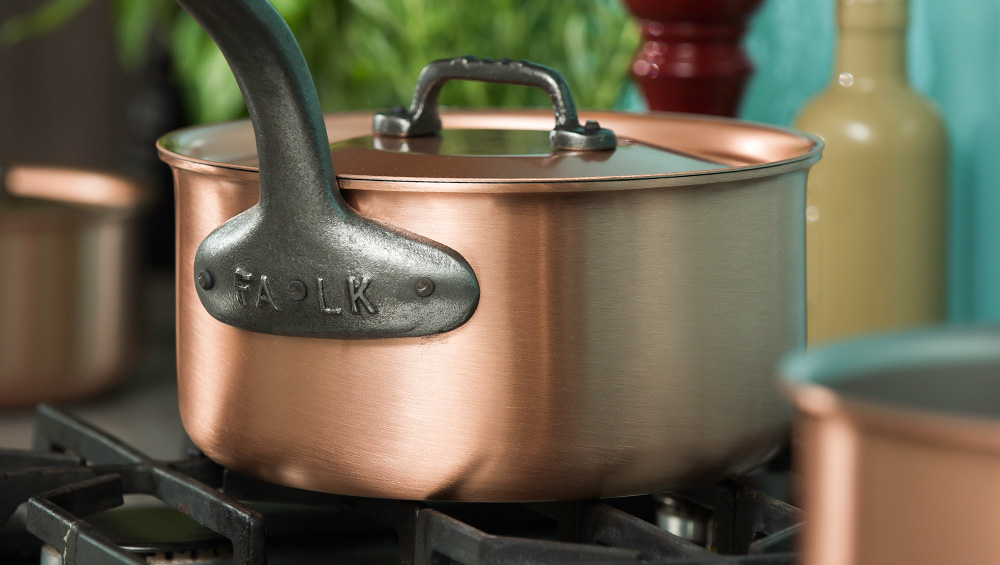
Copper cookware is made primarily from copper, often lined with another material like stainless steel or tin to prevent direct contact between copper and food. The unique properties of copper make it a preferred choice among professional chefs and cooking enthusiasts.

Benefits of Copper Cookware

1. Exceptional Heat Conductivity: Copper is an excellent conductor of heat, providing precise temperature control. This allows for even heating and quick response to temperature changes, making it ideal for delicate sauces and precise cooking techniques.

2. Uniform Heat Distribution: Copper cookware ensures even heat distribution across the cooking surface, reducing the risk of hot spots and ensuring consistent cooking results.

3. Visual Appeal: With its rich, warm hue and polished finish, copper cookware adds a touch of luxury and sophistication to any kitchen. It often becomes a focal point, enhancing the overall aesthetic of your culinary space.

4. Durability: High-quality copper cookware, especially when properly maintained, can last a lifetime. The sturdy construction and robust materials make it a worthwhile investment for serious cooks.

Caring for Copper Cookware

Proper maintenance is crucial to preserve the performance and appearance of copper cookware. Here are some essential care tips:

1. Cleaning: Hand wash copper cookware with mild detergent and a soft sponge. Avoid abrasive cleaners or scouring pads, which can scratch the surface. To remove tarnish and restore shine, use a mixture of lemon juice and salt or a commercial copper cleaner.

2. Polishing: Regular polishing helps maintain the bright, reflective surface of copper. Apply a thin layer of copper polish or a homemade solution of vinegar and salt, then buff with a soft cloth.

3. Cooking Temperature: Avoid using high heat settings, as copper cookware heats quickly and can become excessively hot. Medium to low heat is generally sufficient for most cooking tasks.

4. Utensils: Use wooden, silicone, or plastic utensils to prevent scratching the inner lining. Avoid metal utensils, which can damage the interior surface.

5. Storage: Store copper cookware carefully to prevent dents and scratches. If stacking is necessary, place a soft cloth or paper towel between each piece to protect the surfaces.

Considerations When Choosing Copper Cookware

When selecting copper cookware, consider the following factors to ensure you choose the best option for your needs:

1. Lining Material: Copper cookware is often lined with stainless steel or tin. Stainless steel is durable and easy to maintain, while tin provides a non-stick surface but may require periodic re-tinning.

2. Thickness: Opt for cookware with a substantial thickness (at least 2.5-3 mm) to ensure durability and optimal heat conductivity. Thinner copper can warp and may not perform as well.

3. Weight: Copper cookware can be heavier than other types. Ensure that the weight is manageable for your cooking and handling preferences.

4. Price: High-quality guide to Copper Cookware is an investment, often more expensive than other materials. Consider it a long-term addition to your kitchen, offering superior performance and longevity.

5. Compatibility: Check that the copper cookware is compatible with your stovetop, especially if you have an induction cooktop. Many copper pieces require an induction interface disk for use on induction stoves.

Conclusion

Copper cookware is a timeless addition to any kitchen, celebrated for its exceptional heat conductivity, aesthetic appeal, and professional-grade performance.

By understanding its benefits, maintaining it properly, and considering key factors when making a purchase, you can enjoy the many advantages of copper cookware for years to come.

The Ultimate Guide to Aluminum Cookware: Benefits, Uses, and Care Tips

Aluminum cookware has been a staple in kitchens around the world for decades. Known for its excellent heat conductivity, lightweight nature, and affordability, guide to Aluminum Cookware is a favorite among home cooks and professional chefs alike. In this article, we’ll explore the benefits, uses, and care tips for aluminum cookware to help you make the most of this versatile kitchen essential.

Benefits of Aluminum Cookware

  1. Excellent Heat Conductivity Aluminum is one of the best materials for heat conductivity, ensuring even heating across the surface of the cookware. This means your food cooks uniformly, reducing the chances of hot spots and burnt food.
  2. Lightweight and Easy to Handle One of the significant advantages of guide to Aluminum Cookware is its lightweight nature. This makes it easy to handle, especially when cooking large meals or when you need to move the cookware from the stove to the oven.
  3. Affordable Aluminum cookware is generally more affordable compared to other materials like stainless steel or copper. This makes it an excellent choice for those who want high-quality cookware without breaking the bank.
  4. Durability Modern aluminum cookware, especially those with anodized or coated surfaces, is highly durable and resistant to scratches and dents. This ensures a long lifespan, even with regular use.
  5. Versatility Aluminum cookware is suitable for a wide range of cooking methods, including frying, sautéing, boiling, and baking. Its versatility makes it a valuable addition to any kitchen.

Uses of Aluminum Cookware

  1. Frying and Sautéing Aluminum frying pans and sauté pans are perfect for cooking eggs, pancakes, stir-fries, and more. Their excellent heat distribution ensures that your food cooks evenly and quickly.
  2. Boiling and Simmering Aluminum pots and saucepans are ideal for boiling pasta, making soups, and simmering sauces. Their lightweight nature makes them easy to lift and pour, even when filled with liquid.
  3. Baking Aluminum baking sheets and roasting pans are great for baking cookies, roasting vegetables, and even baking cakes. The even heat distribution helps achieve perfectly cooked and browned results.
  4. Grilling and Broiling Aluminum grill pans and broiler pans can withstand high temperatures, making them suitable for grilling meats and vegetables or broiling dishes in the oven.

Care Tips for Aluminum Cookware

  1. Hand Wash Only To preserve the integrity of your aluminum cookware, it’s best to hand wash it with mild detergent and warm water. Avoid using abrasive sponges or harsh chemicals that can damage the surface.
  2. Avoid High Heat While aluminum conducts heat well, it’s best to avoid using it on very high heat settings for prolonged periods. This can help prevent warping and prolong the life of your cookware.
  3. Seasoning Anodized Aluminum If you have anodized aluminum cookware, consider seasoning it to enhance its nonstick properties. Lightly coat the surface with oil and heat it over medium heat for a few minutes, then wipe off any excess oil.
  4. Use Wooden or Silicone Utensils To prevent scratching the surface of your aluminum cookware, use wooden or silicone utensils instead of metal ones. This is especially important for nonstick or anodized aluminum surfaces.
  5. Store Properly Store your aluminum cookware properly by stacking them with protective layers, such as kitchen towels, between each piece. This prevents scratches and dents when they are not in use.

Conclusion

Aluminum cookware is a versatile, affordable, and efficient option for any kitchen. Its excellent heat conductivity and lightweight nature make it a favorite among both home cooks and professional chefs.

By following the proper care tips, you can ensure that your aluminum cookware lasts for years and continues to perform at its best.

Whether you’re frying, boiling, baking, or grilling, aluminum cookware is a reliable and valuable addition to your culinary arsenal.