
The Comprehensive Guide to Ceramic Cookware: Benefits, Care, and Considerations

Ceramic cookware has gained significant popularity in recent years, celebrated for its aesthetic appeal, health benefits, and excellent cooking performance. This guide explores the advantages, care instructions, and considerations for ceramic cookware, helping you make an informed decision for your kitchen.

What is Ceramic Cookware?

Ceramic cookware is typically made from a base material such as aluminum or stainless steel, which is then coated with a layer of ceramic. This ceramic coating is derived from natural minerals and sand, offering a non-toxic and eco-friendly cooking surface.

Benefits of Ceramic Cookware

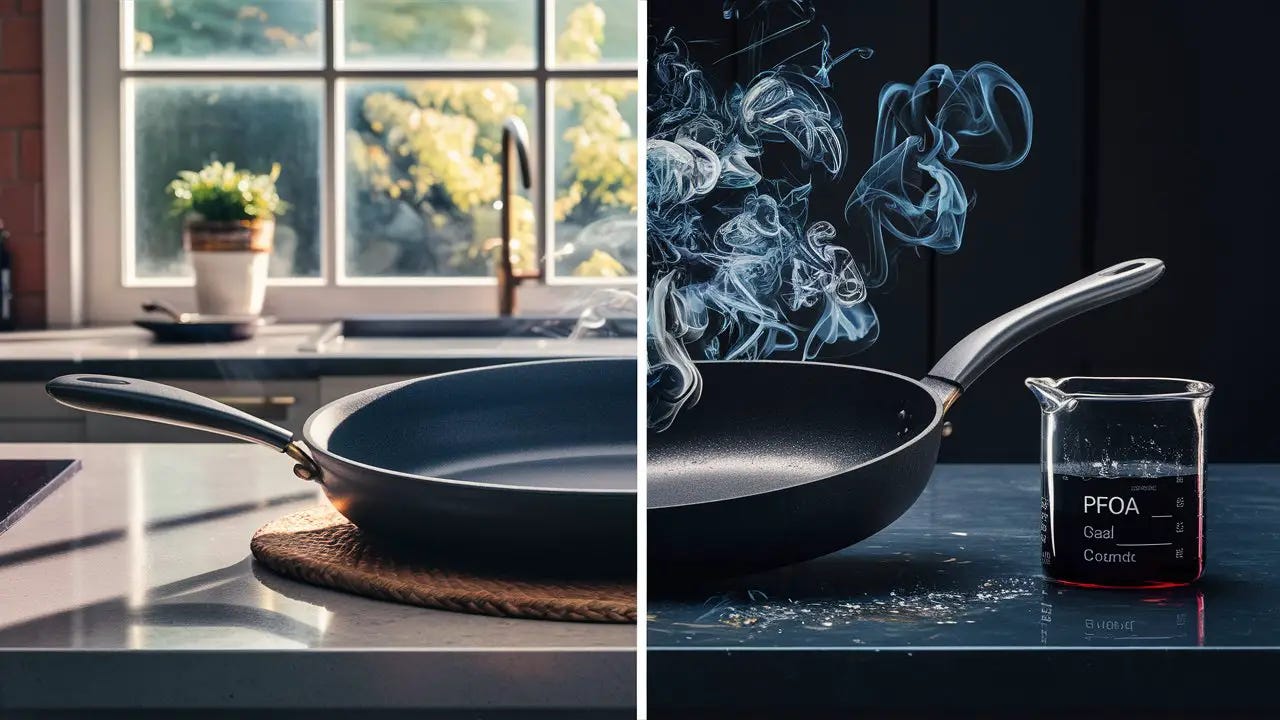
1. Non-Toxic and Eco-Friendly: Ceramic cookware is free from harmful chemicals such as PTFE, PFOA, lead, and cadmium. This makes it a healthier option compared to traditional non-stick cookware, which may release toxic fumes when overheated.

2. Non-Stick Properties: The ceramic coating provides a non-stick surface, allowing you to cook with less oil or butter. This can contribute to healthier meals and easier cleanup.

3. Even Heat Distribution: Ceramic cookware ensures even heat distribution, reducing the risk of hot spots that can burn food. This results in more consistent cooking outcomes and better-tasting dishes.

4. Versatility: Ceramic cookware is versatile and can be used on various heat sources, including gas, electric, and induction stovetops. Many ceramic pieces are also oven-safe, making them suitable for a wide range of cooking techniques.

5. Aesthetic Appeal: With its smooth, glossy finish and vibrant colors, ceramic cookware adds a touch of elegance to any kitchen. It’s also available in a variety of styles and designs to suit different preferences.

Caring for Ceramic Cookware

Proper care is essential to maintain the performance and appearance of ceramic cookware. Here are some tips to help you get the most out of your investment:

1. Seasoning: While not always necessary, seasoning your ceramic cookware can enhance its non-stick properties. Simply coat the surface with a thin layer of oil and heat it on low for a few minutes before the first use.

2. Cooking Temperature: Avoid using high heat settings, as extreme temperatures can damage the ceramic coating. Medium to low heat is generally sufficient for most cooking tasks.

3. Utensils: Use wooden, silicone, or plastic utensils to prevent scratching the ceramic surface. Avoid metal utensils, which can cause damage.

4. Cleaning: Allow the cookware to cool before washing. Hand wash with a soft sponge and mild detergent. Avoid abrasive cleaners or scouring pads, as they can scratch the ceramic coating.

5. Storage: Store ceramic cookware with care to prevent chipping or scratching. If stacking is necessary, place a soft cloth or paper towel between each piece.

Considerations When Choosing Ceramic Cookware

When selecting ceramic cookware, consider the following factors to ensure you choose the best option for your needs:

1. Quality: Invest in high-quality ceramic cookware from reputable brands. Cheaper options may have inferior coatings that wear out quickly.

2. Weight: Guide to Ceramic cookware can be heavier than other types of cookware. Ensure that the weight is manageable for your cooking and handling needs.

3. Price: While ceramic cookware can be more expensive than other options, its durability and health benefits often justify the cost. Consider it a long-term investment for your kitchen.

4. Compatibility: Check that the ceramic cookware is compatible with your stovetop, especially if you have an induction cooktop.

Conclusion

Ceramic cookware is a fantastic addition to any kitchen, offering a combination of health benefits, cooking performance, and aesthetic appeal.

By understanding its advantages, caring for it properly, and considering key factors when making a purchase, you can enjoy the many benefits of ceramic cookware for years to come.
The Ultimate Guide to Aluminum Cookware: Benefits, Uses, and Care Tips

Aluminum cookware has been a staple in kitchens around the world for decades. Known for its excellent heat conductivity, lightweight nature, and affordability, guide to Aluminum Cookware is a favorite among home cooks and professional chefs alike. In this article, we’ll explore the benefits, uses, and care tips for aluminum cookware to help you make the most of this versatile kitchen essential.

Benefits of Aluminum Cookware

  1. Excellent Heat Conductivity Aluminum is one of the best materials for heat conductivity, ensuring even heating across the surface of the cookware. This means your food cooks uniformly, reducing the chances of hot spots and burnt food.
  2. Lightweight and Easy to Handle One of the significant advantages of guide to Aluminum Cookware is its lightweight nature. This makes it easy to handle, especially when cooking large meals or when you need to move the cookware from the stove to the oven.
  3. Affordable Aluminum cookware is generally more affordable compared to other materials like stainless steel or copper. This makes it an excellent choice for those who want high-quality cookware without breaking the bank.
  4. Durability Modern aluminum cookware, especially those with anodized or coated surfaces, is highly durable and resistant to scratches and dents. This ensures a long lifespan, even with regular use.
  5. Versatility Aluminum cookware is suitable for a wide range of cooking methods, including frying, sautéing, boiling, and baking. Its versatility makes it a valuable addition to any kitchen.

Uses of Aluminum Cookware

  1. Frying and Sautéing Aluminum frying pans and sauté pans are perfect for cooking eggs, pancakes, stir-fries, and more. Their excellent heat distribution ensures that your food cooks evenly and quickly.
  2. Boiling and Simmering Aluminum pots and saucepans are ideal for boiling pasta, making soups, and simmering sauces. Their lightweight nature makes them easy to lift and pour, even when filled with liquid.
  3. Baking Aluminum baking sheets and roasting pans are great for baking cookies, roasting vegetables, and even baking cakes. The even heat distribution helps achieve perfectly cooked and browned results.
  4. Grilling and Broiling Aluminum grill pans and broiler pans can withstand high temperatures, making them suitable for grilling meats and vegetables or broiling dishes in the oven.

Care Tips for Aluminum Cookware

  1. Hand Wash Only To preserve the integrity of your aluminum cookware, it’s best to hand wash it with mild detergent and warm water. Avoid using abrasive sponges or harsh chemicals that can damage the surface.
  2. Avoid High Heat While aluminum conducts heat well, it’s best to avoid using it on very high heat settings for prolonged periods. This can help prevent warping and prolong the life of your cookware.
  3. Seasoning Anodized Aluminum If you have anodized aluminum cookware, consider seasoning it to enhance its nonstick properties. Lightly coat the surface with oil and heat it over medium heat for a few minutes, then wipe off any excess oil.
  4. Use Wooden or Silicone Utensils To prevent scratching the surface of your aluminum cookware, use wooden or silicone utensils instead of metal ones. This is especially important for nonstick or anodized aluminum surfaces.
  5. Store Properly Store your aluminum cookware properly by stacking them with protective layers, such as kitchen towels, between each piece. This prevents scratches and dents when they are not in use.

Conclusion

Aluminum cookware is a versatile, affordable, and efficient option for any kitchen. Its excellent heat conductivity and lightweight nature make it a favorite among both home cooks and professional chefs.

By following the proper care tips, you can ensure that your aluminum cookware lasts for years and continues to perform at its best.

Whether you’re frying, boiling, baking, or grilling, aluminum cookware is a reliable and valuable addition to your culinary arsenal.