
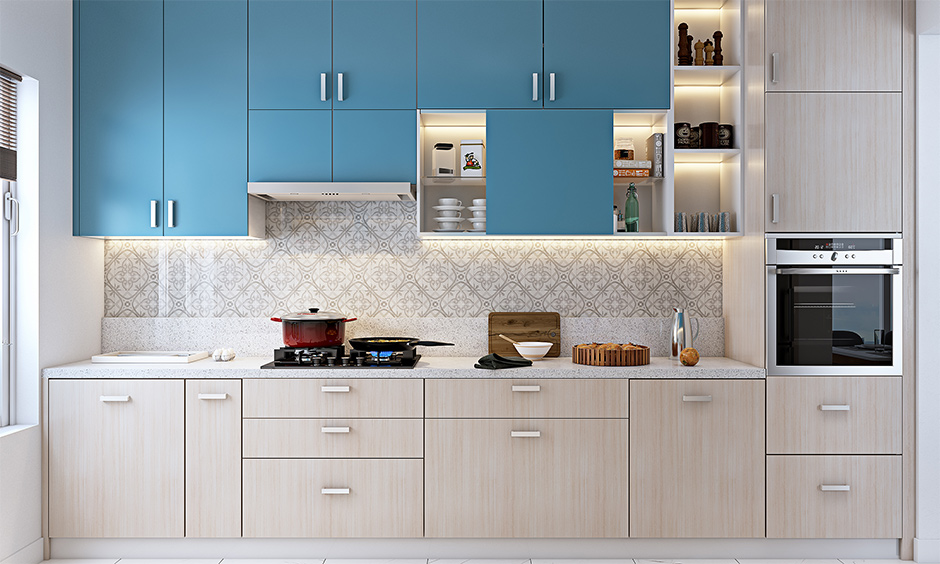
Smart Solutions: How to Organize Kitchen Cabinets on a Budget

An organized kitchen is a joy to work in, but the cost of fancy organizing solutions can add up quickly. Fortunately, you don’t need a big budget to transform your kitchen cabinets into efficient, clutter-free spaces. In this article, we’ll share practical and budget-friendly tips to help you declutter, maximize space, and achieve kitchen cabinet nirvana.

Declutter First

Before diving into organizing, take a good look at what’s in your cabinets. Start by removing items you no longer use or need. Donate, recycle, or discard these items to create space for what truly matters.

Group Similar Items

Organizing becomes easier when you group similar items together. Keep pots with pots, pans with pans, and baking supplies with baking supplies. This simple step makes it easier to find what you need.

Use Shelf Liners

Shelf liners are an inexpensive way to protect your cabinets from spills and stains. They also make cleaning a breeze. Opt for easy-to-install adhesive liners or cut-to-fit non-slip mats.

Invest in Shelf Risers

Shelf risers are handy for doubling your cabinet space. Place them inside your cabinets to create additional storage levels for plates, cups, or spices.

Hang It Up

Hooks and adhesive hangers are budget-friendly solutions for hanging pots, pans, and even mugs on the inside of cabinet doors. This maximizes space and keeps items easily accessible.

Use Clear Containers

Clear plastic containers are excellent for storing dry goods like flour, sugar, and pasta. They keep ingredients fresh and allow you to see exactly what you have. Look for budget-friendly options at dollar stores or discount retailers.

Utilize Tension Rods

Tension rods are versatile and can be used to create dividers for baking sheets, cutting boards, or even lids. These can be adjusted to fit your cabinet’s width.

Baskets and Bins

Inexpensive baskets and bins help corral small items like spices, condiments, or snack bags. Label them for easy identification.

DIY Drawer Dividers

Create your own drawer dividers using old shoeboxes or cardboard. Cut and shape them to fit your drawers perfectly, providing organized sections for utensils or kitchen tools.

Don’t Forget Vertical Space

Use adhesive hooks or removable adhesive strips to attach plastic bags or small baskets to the inside of cabinet doors, making use of often-neglected vertical space.

Reuse and Repurpose

Before buying new organizing solutions, check your home for items that can be repurposed. Old crates, baskets, or containers can work wonders when given a second life in your kitchen.

Conclusion

A well-organized kitchen Cabinets on a Budget doesn’t require a hefty budget. By implementing these budget-friendly tips, you can declutter and maximize your cabinet space efficiently.

Remember that organization is an ongoing process, so periodically revisit your cabinets to ensure they stay clutter-free and functional.

With a little creativity and resourcefulness, your kitchen will be a more enjoyable and efficient space for cooking and meal preparation.

Start your journey to a tidier and more organized kitchen today, and see how these simple, budget-friendly changes can transform your culinary experience.
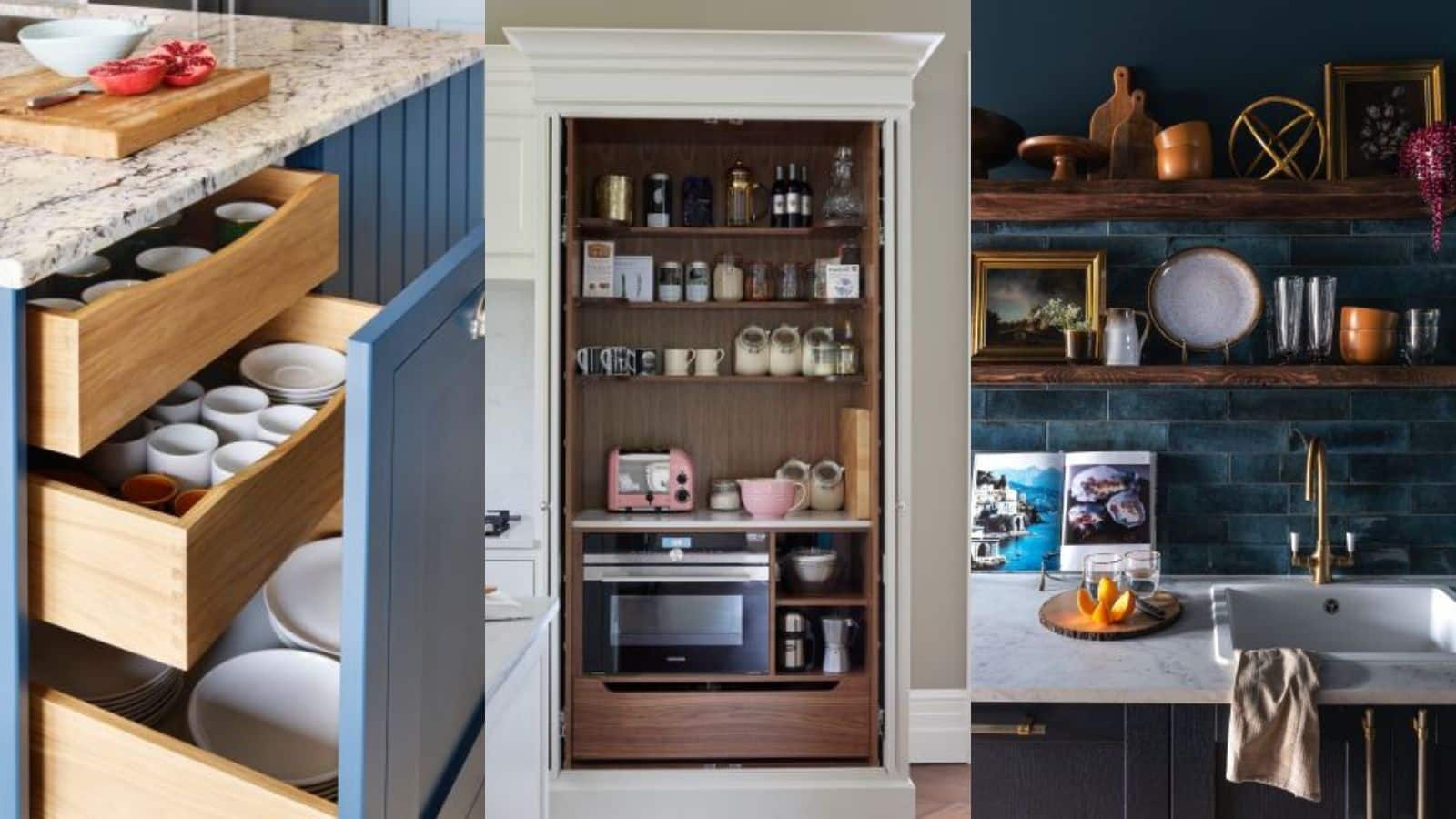
How to Keep Your Kitchen Organized and Clutter-Free with Kids Around

As a parent, maintaining a clutter-free kitchen can seem like a challenging task. Between the constant influx of toys and snacks, it’s easy for chaos to take over. But fear not! With simple tips and tricks, you can keep your kitchen organized and tidy even with little ones running around. In this blog post, we’ll cover everything from clever storage solutions to meal-planning hacks that will help you maintain order in the heart of your home. So please put on your apron, and let’s get started!

How to Keep Your Kitchen Organized

No matter how much you try, your kitchen always seems cluttered and chaotic. But there’s no need to let kids make it a disaster area. With some organization, you can keep your kitchen clean and tidy—and they’ll love helping!

1. Establish clear rules for kitchen behaviour. Make sure kids know what is and is not allowed in the kitchen. This will help them stay within bounds and also help you enforce basic hygiene standards. For example, keep children from eating off the floor or countertops.

2. Designate specific areas for each activity in the kitchen. Set up a workspace for baking, chopping vegetables, cooking meals, etc. This will help kids know where everything should go and avoid creating chaos in the kitchen when they have nothing specific to do.

3. Keep everything organized using storage containers and racks. Store items like utensils, pots and pans in designated containers so they are easily accessible. Place appliances on hooks or shelves so they are out of reach of small hands (and out of sight).

4. Let kids help you put things away after meals or when they finish cooking. This will give them an appreciation for organizing things (and hopefully teach them some good cleaning habits along the way!). If needed, create “chaos zones” in the kitchen for specific activities, like putting toys away after playtime.

Your kitchen will be clean and tidy with some organization and effort, and kids will love helping!

How to Hide Dishes and Pots and Pans

There are a few simple ways to keep your kitchen organized and clutter-free with kids around.

1. Make a list of everything in your kitchen and write the corresponding recipe or dish name on the list. This will help you remember what’s where and make it easy for your children to find what they need when cooking.

2. If there is something in your kitchen that you rarely use, like a skillet or pot, hide it out of sight. Please put it in a cabinet behind random dishes, or place it on top of some high cabinets so your children can’t see it easily.

3. Keep everything in your kitchen that is optional. If you don’t have room for an extra serving platter or baking dish, don’t keep one in your kitchen – chances are you won’t ever need it! And if you use it, you won’t have to search high and low for it!

4. Finally, be sure to clean your kitchen regularly – not only will this help keep things tidy and make the area smell pleasant (something children seem to love!).

How to Store Food

1. Label your food:

Labelling your food is a great way to keep track of what you’re eating and is easy to grab and go. You can also use cute stickers or write the contents on a small note card.

2. Store leftovers in an airtight container:
Leftovers are always a hit with the kids, so storing them properly is important so they don’t get gross. Store them in an airtight container so they stay fresh and eatable.

3. Store perishables in the fridge:
For safety reasons, perishables like fruits, vegetables, and meat should be stored in the fridge. This will help you avoid spoilage and make sure your food stays fresh.

4. Store perishables in the freezer:
If you’re worried about spoilage, you can store perishables like fruits and vegetables in the freezer. This will help them stay fresh for a longer period.

5. Store food at an appropriate temperature:
Store your food at an appropriate temperature so it doesn’t go bad. This means storing food in the fridge or freezer.

Tips for Keeping Kids Out of the Kitchen

1. Establish clear rules about when and where kids can cook: Set a reasonable age limit for cooking, preferably around 10 or 11 years old. Ensure the kitchen is designated as the kid-free zone, and be consistent with setting boundaries.

2. Teach kids how to use pots and pans: Give them an understanding of basic cooking concepts such as how to measure ingredients, what temperatures to use, and how to clean their utensils properly.

3. Keep food safe: Store cooked food in a clean refrigerator or freezer, and make sure all surfaces that come into contact with food are clean. Teach kids how to properly wash their hands before eating.

4. Encourage healthy eating: Let your kids know that it’s okay to enjoy some unhealthy foods occasionally, but make sure they eat plenty of fruits and vegetables daily. Let them help you cook healthy meals from time to time – this way, they will get more excited about cooking!

Conclusion

Keeping your kitchen organized and clutter-free with kids around can be challenging, but it’s worth taking on. By keeping your countertops clear of appliances and pots and pans, you’ll be able to see what you’re cooking up easily and won’t have to search for whatever you need in the depths of a pan or pot.

Plus, by having all of your utensils and ingredients visible and within reach, chaos in the kitchen will be a thing of the past. If organizing your kitchen intimidates you, start small by focusing on one specific area – like the fridge – and work your way up. Keeping your kitchen clutter-free will become second nature with time, practice and patience!