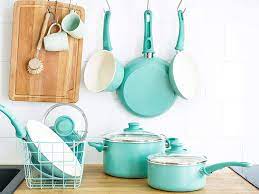
Ceramic cookware has gained significant popularity in recent years, celebrated for its aesthetic appeal, health benefits, and excellent cooking performance. This guide explores the advantages, care instructions, and considerations for ceramic cookware, helping you make an informed decision for your kitchen.
What is Ceramic Cookware?
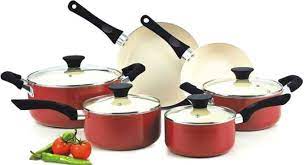
Ceramic cookware is typically made from a base material such as aluminum or stainless steel, which is then coated with a layer of ceramic. This ceramic coating is derived from natural minerals and sand, offering a non-toxic and eco-friendly cooking surface.
Benefits of Ceramic Cookware
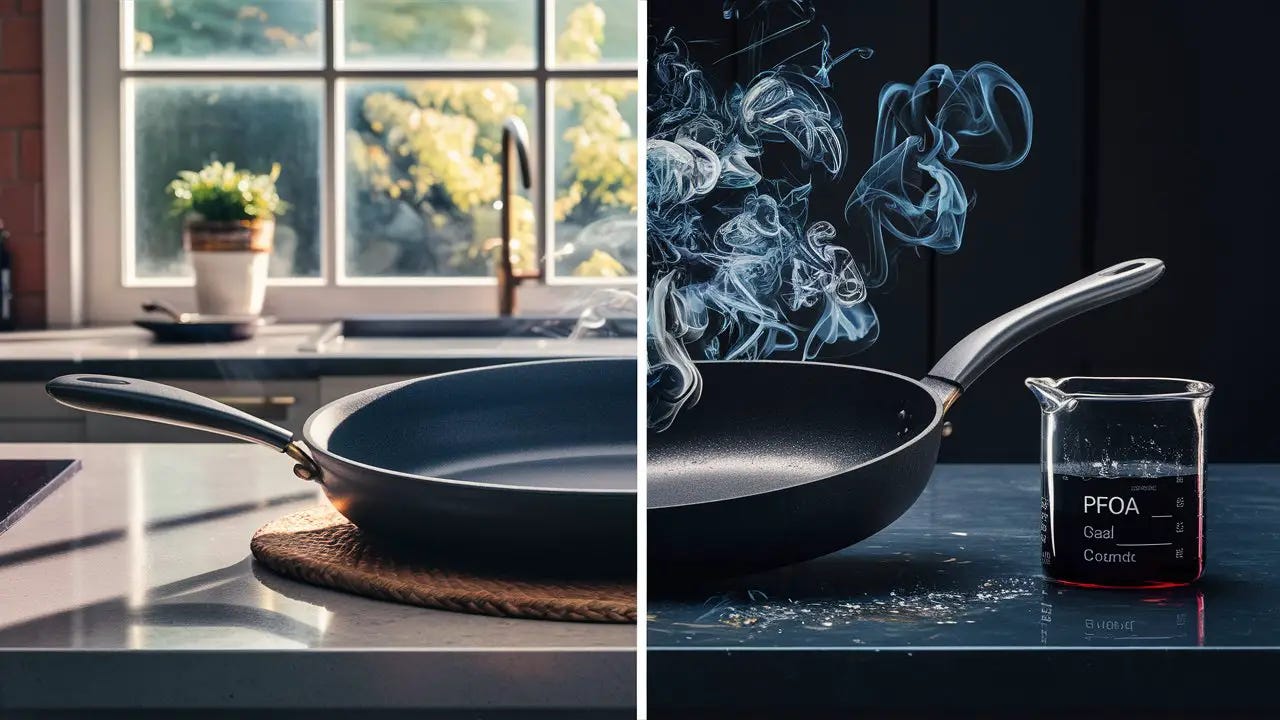
1. Non-Toxic and Eco-Friendly: Ceramic cookware is free from harmful chemicals such as PTFE, PFOA, lead, and cadmium. This makes it a healthier option compared to traditional non-stick cookware, which may release toxic fumes when overheated.
2. Non-Stick Properties: The ceramic coating provides a non-stick surface, allowing you to cook with less oil or butter. This can contribute to healthier meals and easier cleanup.
3. Even Heat Distribution: Ceramic cookware ensures even heat distribution, reducing the risk of hot spots that can burn food. This results in more consistent cooking outcomes and better-tasting dishes.
4. Versatility: Ceramic cookware is versatile and can be used on various heat sources, including gas, electric, and induction stovetops. Many ceramic pieces are also oven-safe, making them suitable for a wide range of cooking techniques.
5. Aesthetic Appeal: With its smooth, glossy finish and vibrant colors, ceramic cookware adds a touch of elegance to any kitchen. It’s also available in a variety of styles and designs to suit different preferences.
Caring for Ceramic Cookware
Proper care is essential to maintain the performance and appearance of ceramic cookware. Here are some tips to help you get the most out of your investment:
1. Seasoning: While not always necessary, seasoning your ceramic cookware can enhance its non-stick properties. Simply coat the surface with a thin layer of oil and heat it on low for a few minutes before the first use.
2. Cooking Temperature: Avoid using high heat settings, as extreme temperatures can damage the ceramic coating. Medium to low heat is generally sufficient for most cooking tasks.
3. Utensils: Use wooden, silicone, or plastic utensils to prevent scratching the ceramic surface. Avoid metal utensils, which can cause damage.
4. Cleaning: Allow the cookware to cool before washing. Hand wash with a soft sponge and mild detergent. Avoid abrasive cleaners or scouring pads, as they can scratch the ceramic coating.
5. Storage: Store ceramic cookware with care to prevent chipping or scratching. If stacking is necessary, place a soft cloth or paper towel between each piece.
Considerations When Choosing Ceramic Cookware
When selecting ceramic cookware, consider the following factors to ensure you choose the best option for your needs:
1. Quality: Invest in high-quality ceramic cookware from reputable brands. Cheaper options may have inferior coatings that wear out quickly.
2. Weight: Guide to Ceramic cookware can be heavier than other types of cookware. Ensure that the weight is manageable for your cooking and handling needs.
3. Price: While ceramic cookware can be more expensive than other options, its durability and health benefits often justify the cost. Consider it a long-term investment for your kitchen.
4. Compatibility: Check that the ceramic cookware is compatible with your stovetop, especially if you have an induction cooktop.
Conclusion
Ceramic cookware is a fantastic addition to any kitchen, offering a combination of health benefits, cooking performance, and aesthetic appeal.
By understanding its advantages, caring for it properly, and considering key factors when making a purchase, you can enjoy the many benefits of ceramic cookware for years to come.
Every kitchen has one best cooking pot or pan that does most of the things literally. And it could be a Dutch oven, or pot or the best ceramic nonstick frying pan. However, you have an old busy kitchen or start a new owing a ceramic non stick frying pan will cover up most of the works.
In today’s review, we are going to talk about some best ceramic frying pan that you should collect and use. You could either buy a whole set of ceramic pots and pans. Thus these are not that affordable- like 15-20 pieces of full ceramic made high-quality sets.
10 Best Ceramic Nonstick Frying Pan Reviews
We tried and tested 15 different ceramic frying pans and final these 10 among them. These are the top rated ceramic frying pans that were good on different tries and testing. Read on and learn more about these ceramic frying pan reviews.
1. GreenLife Soft Grip Ceramic Nonstick Frypan Set
Want to add more color, features, and convenience to your daily life. Bring the GreenLife SoftGrip Ceramic Frying Pans. This is a two-piece frying pan set- one 7 and the other 10 inches. The primary positive side of this brand of the pan is it’s not made of any harmful toxic elements such as Lead, Cadmium, PFAS, or POFA. So, there is no chance of creating toxic fume due to overheating.
The body of the best non stick frying pan is made of pure aluminum. This metal gives excellent heat transfer and lightness to use more frequently. The ceramic coating is also great for cooking anything without burn or sticking. You can make meatloaf, steaks, ribs, vegetable sauté, and many more things in these pans. These are oven safe up to 350 degrees F. for handling it more comfortably; the handles are long, coated with rubber and also easy for storage.
Pros
Nonstick surface for cooking or frying anything.
Free from any harmful chemicals like PFAS, PFOA.
Soft-touch heat resistant Bakelite handle.
Oven and dishwasher safe.
Nice color and design.
Cheap in price.
Cons
Less durable.
2. GreenPan Lima 12″ Ceramic Non-Stick Covered Frypan
If you want to invest in a heavy-duty 12-inch ceramic frying pan with lid check out the GreenPan Lima. It comes with three different sizes of frying pans with glass lids. It has a Thermolon coating, and the base of it has hard anodized aluminum. The surface is very smooth and good for low-fat cooking. Fit on the beginning you have to fry everything on with a little bit of more seasoning to avoid burning or sticking.
The frying pan is suitable to use on most of the stoves including the electric stove and oven. You can use it in the oven for up to 420 degrees F.
The ceramic frying pan with a lid comes with a long ergonomic steel handle. The handle is also oven safe and cut out for easy storage.
The depth of the ceramic nonstick skillet is not more than 2.5 inches. So even if you get a large surface area, you may not get that space for deep frying. However, you can make anything on the pan, but it makes good stakes, caramel, fish fillet and other things testy.
Pros
Comes with an ergonomic well-fitted transparent glass lid.
Have three size options- 8, 10, 12 inches.
Free from Lead, cadmium, PFAS, PFOA or any other toxic elements.
Great heat conductivity.
Riveted stainless-steel handles for better grip.
Oven safe up to 420 F.
Cons
Sticks food on the first few cooking attempts.
Not dishwasher safe.
3. Almond Nonstick Ceramic Copper Frying Pan
Investing in a high-quality copper ceramic pan is always worth it. That is why we brought this 12-inch nonstick ceramic copper frying pan for daily heavy use. This pan consists of a beautiful ceramic layer on the cooking surface, and its main body is made of copper. The coating is free from any PTFE and PFOA. So you can make any meal on it safely but efficiently.
The cooking surface of the pan is so smooth that you can cook scrambled eggs or omelets on it without adding fat on low flame. The pan measures the solid 3.0 mm layer for optimum heat control and distribution. The overall structure of the pan is pretty solid and for cooking on different cooktops. You can use it on gas, grill, electric, ceramic cooktop including oven up to 500 F.
The best ceramic non-stick pan is very easy to cleanup and takes care of. But you should not use the dishwasher more frequently. Hand washing is recommended, if needed soak it in warm water for a while for better cleaning.
Pros
Suitable to use on ceramic cooktops.
It does not contain any harmful chemicals or metals.
Nice color and design.
Very durable products.
Food does not stick easily or burn on the surface.
Cons
Expensive frying pans.
Need to buy lid separately.
4. Calphalon 2 Piece Classic Ceramic Nonstick Omelet Pan Set
Calphalon is a well-known brand when it comes to convenient nonstick cookware. However, the Calphalon 2 Piece classic ceramic could be your true companion for daily meal preparation; especially making breakfast. Its nonstick ceramic surface releases food easily and cleanup quickly.
This set comes with two pieces of pans 8 and 10 inches. The containers also include a long stainless steel handle for comfortable and convenient usage. But there is no lid covered on the pan.
The pan is oven safe up to 450 degrees F. you can use it on gas stoves, halogen, grill, etc. but these are not suitable for induction cooking. However, the hard anodized aluminum construction with a flat surface makes it easy to use on most of the stoves without sliding. The building is also let the heat spread evenly without creating hotspots.
These pans are known for an omelet, brown potatoes, egg pouch, fried egg but you can make fried, sauté vegetables and other items. But if you think of longtime slow cooking in the oven, then the pans might not keep up that hassles for many years. These pans are best for medium usages.
Pros
Need less fat to cook.
Usable with metal utensils.
Long heat resistant handles.
It is made of safe materials.
Reasonable price. [/su_list][/su_column]
Cons
Not that good for heavy usage.
No covers are included.
5. CONCORD 3 Piece Ceramic Coated -Copper- Frying Pan
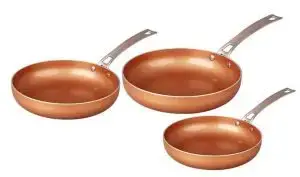
If you are going to start a new kitchen and want to buy some basic cooking pans, then look at the Concord Frying Pan set. This model offers three different pieces of cooking pans. These are copper pans with ceramic coating. The ceramic coating is safe and sound for all kinds of cooking.
You get 8, 9.5, 12 inches of pans without lids. You need to buy the covers separately. There is a glass lid available for the same type of pans on Concord’s website including Amazon.
The set is not safe for metal utensils. Also, don’t use those metal scrubbers to clean these pans. Otherwise, they will get scratches.
The set is oven and dishwasher safe. Also, you can use it on induction cooktops along with other traditional stoves.
The nonstick surfaces of the pans are good for low-fat cooking. Use a moderate flame to cook meals. If used carefully, the set is good to go for many years.
Pros
Nice interior and exterior.
Eco-friendly and healthy pans.
Easy to clean.
Long storage-friendly handles.
Affordable set.
Cons
No lids included.
Not metal utensil safe.
6. Vesuvio Ceramic Coated Nonstick Frying Pan
If you like Italian style frying pan with the same old strength and performance, then you might like this model. The Chefs Resourcealso mentions this Vesuvio Ceramic Coated Nonstick Frying Pan as the second-best nonstick pan in their Ceramic Pan Reviews article.
This best ceramic fry pan is a professional grade ceramic coated pan for any cooking. It’s made of a 3.7 mm aluminum base with a ceramic coating on top.
The ceramic coating is free from any cadmium, aluminum, lead or PTFE, POFA. And the good thing is the metal is 100% recyclable.
You can use this best ceramic non stick pan for sear steaks, roast chicken, sauté vegetables and so on. With stoves, it’s suitable to use in the oven for up to 450 D F. this pan includes a cool-touch silicone handle with a silicone rimmed flat glass cover. The design of the lid is nice and efficient. You will like the style. It has a new thick metal rim with a half-moon shape ring for easy on and off.
The ceramic coated frying pan is 2.5 inches deep. So, flipping the omelets or tossing the spaghetti/pasta is easier on it. The pan is nonstick so you can make food or warm the meal easily without burning it.
Pros
Innovative color and design.
Oven and dishwasher are safe.
It has a safe ceramic layer.
Good at even but fast cooking.
Long cool-touch handle.
Comes with one year of warranty.
Cons
Expensive product.
7. GreenPan CC000672-001 Valencia Pro Frying Pans
Aluminum is excellent for cooking, but there is some other metal that goes with ceramic pretty well. We tried some pans from GreenPan, and the GreenPan CC000672-001 turn out pretty well. This pan set has two different sizes of the pan but no lid. One is 10, and the other one is 8 inches. These pans are free from any harmful chemicals or metal. So, it’s safe for cooking baking, sear, fry, storing anything you like.
You can use the pans on electric, gas, glass, grill, and halogen stoves including the oven. It has a nonstick Thermolon mineral layer on top which is safe on high heat coating. Also, it makes using the metal utensil safe.
The cookware is durable and also easy to handle. Its magneto technology with a hard anodized body gives it more stability and induction adaptability.
The pans are safe to use on the oven and grill up to 600 Degree f. it does not burn food easily unless you use high flame and overheat the pan. However, its smooth surface cooks food in fire and also low heat. But that does not mean you can cook food on these without well. Seasoning is must require before first use.
Pros
PTFO and POFA free.
Apt to electric and gas stoves.
Nonstick cooking surface.
Metal utensil safe.
Easy to clean.
Suitable for oven and dishwasher too.
Cons
Heat up quickly which sometimes unease to handle.
No lids are included.
8. Tramontina 80110/043DS Style Ceramica 01 Fry Pan
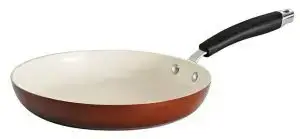
If you like the basic style of ceramic frying pan then go for Tramontina. This is a 10-inch ceramic pan with heavy-gauge aluminum construction. The interior has durable porcelain which is smooth and also nonstick. This working surface is very safe for a long time frying or cooking. The ceramic does not contain any POFA, PTFE, cadmium, or anything else. Also, it’s effortless to clean and durable too.
The pan is 10 inches and 2.5 in deep. But it does not come with any lids. The handle of it soft-grip, cast stainless steel made. That gives more stability and comfort to handle hot food.
The frying pan is made in Italy and packed in the USA. The manufacturer offers a lifetime warranty with every piece of Tramontina item. This pan has some other size and color also at a more/less same price.
Pros
Safe pan for any cooking frying.
Oven and dishwasher are safe.
Suitable to use on glass, ceramic, stoves, etc.
Comes in four different colors- copper, blue, sand, red rhubarb.
Comes with a lifetime warranty.
Cons
No lid included.
Does not work on induction cooktops.
9. Wearever C944S2 Pure Living Nonstick Frying Pan
Here is another affordable set of the best ceramic pan that will help you to cook anything in low oil. The Wearever C944Sc has come with one 10-inch and one 8 inch ceramic fry pan. The containers come with soft-touch silicone handles. It makes it easier to handle the hot pan. Also, they are oven safe up to 350 F.
The pans are made of aluminum with a layer of ceramic inside. This coating is satin resistant safe for cooking any food. In the cooking stove, it can withstand up to 700 D F. And also well for gas, electric, ceramic ovens, and grills except for induction. However, these pans do not include any cover.
Cleaning these pans is very easy. Just remember to use a few drops of cooking oil before or during the cooking. All the Wearever pans are dishwasher safe.
Pros
Includes two different sizes of frying pans.
Free from any harmful components.
Oven safe up to 700 F.
Cook food in low oil.
Cons
Less durable.
10. Tramontina 80110/061DS Gourmet Ceramica Deep Skillet
Last but defiantly not least. There is Tramontina Gourmet ceramic deep skillet that perfect for all kinds of cooking. This is an 11-inch skillet with 3.5 inches deep. The best ceramic skillet made of cold-forged aluminum with a smooth ceramic interior. This layer is nonstick and does not contain any toxic components. That is why Tramontina is healthier than any other.
This best ceramic skillet with lid is made in Italy, packed in the USA, and comes with a lifetime warranty. It’s also suitable to use on different types of stoves including the oven (up to 176 D Celsius). You can wash it in the dishwasher too.
Pros
Comes with a lifetime warranty.
Free for lead, cadmium, POFA, PTFE.
Includes heat resistant lid and handles.
Deep skillet for more convenient cooking.
Dishwasher and oven are safe.
Cons
Not suitable for use with metal utensils.
Expensive product.
What is Ceramic Pan?
The pan aka frying pan that made of 100% pure ceramic or ceramic coating simply known as Ceramic Pan. They have an ultra-smooth and slippery non-stick surface which is made of silicon dioxide and the oleophobic and hydrophobic encapsulated. This superior smooth surface allows cooking the food with less oil as well as easy cleaning.
Are Ceramic Pans Safe?
Well, according to several sources, health experts and cookware experts, Ceramic Cookware is safe for healthy cooking. As ceramic pan goes under ceramic cookware, so they are also safe. As 100% pure ceramic and ceramic coated pan made of natural non-toxic ingredients, so there is no health issue with them.
The non-stick surface area of these pan does not contain Teflon, Led, Cadmium, PTFE or PFOA. But you should concern while buying ceramic coated pans. Because of some cheap priced, ceramic coated frying pan available in the market that’s nonstick surface contains harmful materials like polymer coating.
Also, you should avoid using metal utensils while cooking with the ceramic pan. Using high heat (more than 400 Degrees Fahrenheit) for cooking with a ceramic coated pan also can be harmful. And using metal scrubbers or steel wool while cleaning also can create scratches and damage the non-stick surface. So, if you can consider the above facts, then there is nothing to worry about ceramic cooking pans.
Benefits of Using Ceramic Nonstick Fry Pan
There many advantages of the best ceramic coated frying pans and pots both for cooking and the health of your family. Here are some benefits of using the best ceramic non stick pans every day. Like,
Ceramic pans do not contain harmful metal or dangerous chemicals.
It does not alter the test of your food.
Suitable to use on different cooking stoves like gas, halogen, open fire, oven, etc.
Come in different price points so, affordable for all range of people.
A ceramic cookware pan withstands up to 2700 degrees F whereas a steel pan melts at 2200 degrees F.
How to Choose the Best Ceramic Frying Pan
However, you need to know that you may not be able to trust all ceramic cookware to have these same benefits. You will not get all these benefits on every type of ceramic cookware or pans. To get the ideal ceramic frying pans always look for these factors given below.
When we think of ceramic egg pan or regular type ceramic pan, we think of pottery. But potteries are not that durable for daily cooking. Go for full commercial ceramic made pans. 100% ceramic fry pans are more like common bricks. Look for kiln-fired ceramic for everyday cookware. These are sturdy and durable but could be pricy. ceramic nonstick frying If you need to choose a ceramic coated frying pan, go for thick pure ceramic coatings.
Get the frying pan with a long, heat-resistant handle. A wide grip will give you much more comfort in handling hot foods.
Look for a frying pan that does not contain any toxic metal or chemical in the name of color or coating.
If the pan has a lid then go for a well-fitted clear tempered glass lid. That will be a lot easier to monitor the food.
How to Take Care Ceramic Frying Pan
Taking care of your ceramic frying pan is extremely important if you want to use it for a few more years in the same manner. So, here are some maintenance tips for you.
Before using the frying pan wash it thoroughly. Take out all the labels and stickers and clean it with warm soapy water and a sponge. After that rinse it with a tissue or dry towel and you are ready ceramic nonstick frying to use it.
Use safe utensils for daily cooking. Such as wooden, silicone, or plastic utensils. These are gentler on the ceramic surface.
Season it properly using butter, vegetable oil, coconut oil or margarine. Take one tablespoon of one of these fats to let it warm and smoke for 5 mins and remove the pan from the stove. Let it cool down and wipe the excess oil by the tissue. Now you can use the new pan directly or add some more fats.
Pros and Cons of Ceramic Pans
Learn the advantages and disadvantages of the best ceramic pans.
Good Side-
Ideal for cooking, baking, frying, steaming, slow cook and storing.
Cooks well and even.
Non-stick surface reacquires less oil to cook- healthy cooking.
Has high heat-resistance.
Suitable for use on different cooktops, ovens or micro oven.
Scratch resistance PTFE based coatings.
Bad Side-
Some ceramic pans are glazed to withstand corrosion or wear from acidic foods. These glazes are containing lead, cadmium or other chemicals that are bad for human health.
There is a difference between a ceramic pan and a ceramic coated pan ceramic nonstick frying . A Ceramic coated pan is typically a metal pan dipped or sprayed with a chemical-based plastic polymer solution. These are less durable, cracks or break easily. And then react with acidic foods like tomatoes. Entirely ceramic pans are better and safe to use.
Tips to Follow While Using Ceramic Fry Pan
Follow these tips to keep the ceramic pan workable for a long time.
Do not use a high flame to cook on ceramic pans. Low, medium or medium-high is fine.
Never submerge the boiling hot pan in water. Let the hot pan cool down on the counter and then go for a wash.
Do not drop the ceramic pan on the floor. Even if the pan is not broken literally, there is a possibility to crake the layer a bit.
Always dry the pan completely before storing them.
Nowadays ceramic cookware is most popular in the modern kitchen because of its various advantages. It is non-stick, nonporous, and also nonreactive to the foods. It requires less butter or oil while cooking which is great as a health issue. So this cookware would be a great choice who is concern about health.
Moreover, people also love this cookware because of its beautiful outlook. Although this cookware is easy to clean, still you should know how to clean ceramic cookware properly. In this article, I’ve included the cleaning process of ceramic cookware with details. Hopefully, this guide will help you to clean and take care of your ceramic pots and pans easily.
How to Clean Ceramic Cookware | Steps to Follow
It is important to read the manufacturer’s instructions about the cleaning process of the cookware. It will be helpful to clean the cookware properly. Moreover, there are several important points on how to clean ceramic frying pan or ceramic pots right below.
Wash Ceramic Pots or Pans after Each Use
Cleaning the entire ceramic cookware set after each use is meant to keep its durability for a long. Moreover, it can avoid the spring of stains or discoloration of the ceramic surface due to all kinds of dirt that are left for a long time. Use a dishcloth or soft sponge and warm, soapy water to clean the pan entirely.
Never use nylon, wood or other abrasive items or cleaners to clean your ceramic cookware. Otherwise, they can damage the ceramic coating of the pan.
Although some manufacturers say it’s okay to place the ceramic cookware in the dishwasher. But only washing the cookware manually can extend life.
Soak the Ceramic Cookware in Warm or Hot Water to Remove Burnt Food
Soaking the ceramic pans or pots in warm water for at least 30 minutes will help to loosen up the food. It is also helpful to make the cleaning process easier.
To remove the extra difficult residue add one cup of vinegar with four cups of water to the pan. Boil it for at least 3-5 minutes, after that turn of the stove. Once the solution cools, wipe the residue out with a dishcloth or sponge.
Use Baking Soda to Remove Harsh Stains
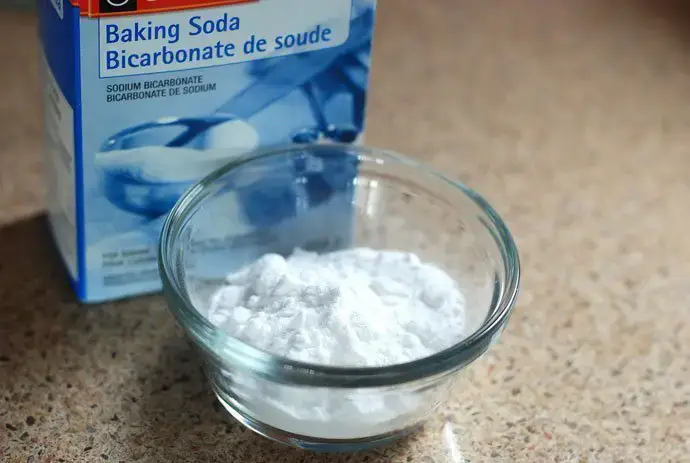
When the ceramic pan is clean and wet, sprinkle a few teaspoons of baking soda generously over the stained area. Leave the pan for 15-20 minutes to set the baking soda. After that scrub the pots or pans in circular motions using a soft-bristled dish brush. Wash the pan in warm water and dry it thoroughly.
Using Hydrogen Peroxide
For cleaning larger ceramic pots and porcelain enameled cast iron cookware, you can use 3% fresh hydrogen peroxide. It creates bubbles inside the pots when it comes in contact with the stain or burnt area. It works well when fresh but it loses its strength if it’s sitting on the shelf for a long time.
Pour an ounce of hydrogen peroxide, fill your cookware with water and allow it to sit. If needed, use a soft-bristle toothbrush to scrub the burnt area gently. Never scrub your cookware aggressively with steel wool, hard plastic dish brushes or boar bristle brush.
Apply Vinegar Solution to Remove Obstinate Stains
You will need a mixture of thick vinegar, baking soda, and plain water for this cleaning process. Put one-fourth cup of vinegar with two tablespoons of baking soda, and a quarter of plain water together for this. Fill your ceramic pots with this solution and boil it for a while. After a few minutes put it aside, let the combination cool, drain it.
Wash entire pots with a mild detergent, rinse them thoroughly with normal water and pat dry with a towel. This solution is best to remove the burnt food from ceramic cooking products.
Allow the Ceramic Cookware to Dry Completely After Washing
After cleaning your ceramic pans or pots let them dry completely before storing. You can use a paper towel or clean dish towel to dry the ceramic cookware. You have another option to make your ceramic cookware dry, you can air-dry the pans on a drying rack.
Tips and Tricks to Spread Out the Lifetime of Your Ceramic Pans and Pots
Although ceramic cookware requires extra attention and care. Your little care can increase the lifetime of your loveable cookware. There’re some of the most efficient tips and tricks, these will help you to take good care of your ceramic cookware.
Use Proper Utensils with Ceramic Non-stick Pans
Avoid the use of metal utensils while you are cooking or serving with ceramic cookware. It would be better to use wooden, plastic, silicone or nylon utensils and spatulas with the ceramic cookware products. Metal utensils could damage or scratch the ceramic coating system.
Do not cut the foods with knives while it is still in the pans. Because knives can also damage the ceramic coating of the pans.
Use a Small Amount of Oil or Butter While you’re cooking with Ceramic Cookware
Add just a small amount of butter or oil to make an even coat of the pans. A small amount of oil will be enough to prevent the food from sticking and avoid burnt-on messes. Never use a cooking spray on the non-stick ceramic pans as it can damage the pans. You should avoid the use of extra virgin olive oil in ceramic pots and pans. Because this oil cannot tolerate high heat temperatures and will leave a carbonized layer in the pan.
Cook food at only Low to Medium Temperature
Although ceramic cookware is suitable for high heat, it would’ve better to use it at low to medium temperatures. Because most of the ceramic cookware cannot take long periods of high heat. Using high heat can cause the food to stick on the pan that can lead to damage and discoloration.
To make the best practice preheat the pot or pan with oil on low heat and raise the temperature after you add the food.
Never Plunge a Hot Ceramic Pan into Cold Water
Allow your ceramic pans or skillets to cool completely before cleaning. Do not put a hot ceramic pan into the cold water. It can damage the non-stick coating and may even destroy the pans. So it would be best to wait until your ceramic pans are cool before washing them.
Store the Ceramic Cookware away from other Cooking Products
Storing the ceramic cookware on top of the other cookware or skillets can cause damages to the coating. Store your ceramic pans or pots carefully away from other cookware. To store the cookware properly hang it on a hook or on the shelf by itself.
If space is an issue, try placing a small dishcloth, a napkin, or a specially made pot protector between pans while storing.
Check This Video Below to Learn “How to Clean Ceramic Pan” Easily and Quickly.
Last Thought
In conclusion, some people may afraid to purchase ceramic cookware because they may don’t know how to clean ceramic cookware properly. It is not too tough to clean the ceramic pans or pots. If you pay attention and follow the right process you can clean your ceramic products effortlessly.
One more tip for you, use lemon juice or vinegar to keep the shiny look of the ceramic cookware. After finishing the cleaning process apply lemon juice or vinegar to all parts of the cookware. This simple trick will be helpful to keep the shiny look of the cookware for a long time.