In today’s fast-paced, cluttered world, where we’re constantly bombarded with information and stimuli, minimalism has emerged as a refreshing design trend. The idea that “less is more” has not only influenced art and architecture but has also deeply affected graphic design, interior design, fashion, and digital spaces. But what is it about minimal design that has captured the attention of designers and consumers alike? Let’s explore the minimal design trend and why it’s here to stay.
What is Minimal Design?
Minimal design, also known as minimalist design, is a style that focuses on simplicity. It strips away unnecessary elements, leaving only the essentials.
The idea is to create designs that are clean, functional, and easy to navigate while still being visually appealing. It’s all about removing the clutter and focusing on what truly matters.
In a minimal design, you’ll often find plenty of white space, simple shapes, and limited color palettes.
The goal is to let the design breathe, allowing the user or viewer to focus on the content without distractions.
Whether in a website layout, product packaging, or a living room, minimalism focuses on creating balance, harmony, and clarity.
The History of Minimal Design
Minimalism as a design philosophy emerged in the mid-20th century, influenced by movements like modernism and the Bauhaus school of design.
Bauhaus, in particular, emphasized functionality and the “form follows function” approach, which had a profound impact on the minimalist aesthetic.
As these design principles evolved, minimalism became synonymous with simplicity, clarity, and efficiency.
In the 1960s and 1970s, minimalism became a dominant movement in art, architecture, and design.
Artists like Donald Judd and architects like Ludwig Mies van der Rohe embraced the minimalist philosophy in their work.
Over time, minimalism found its way into various aspects of design, from home interiors to graphic design and even digital interfaces.
Key Characteristics of Minimal Design
Minimal design isn’t just about reducing the number of elements on a page or space; it’s about creating harmony and functionality. Some of the key characteristics include:
1. Simplicity
Minimal design removes the superfluous, focusing on the core elements. It avoids ornate decorations, complex patterns, and excessive colors. This approach leads to designs that are easy to understand and use.
2. White Space
White space (or negative space) is a crucial component of minimal design. It’s the space between elements in a design that helps to reduce clutter, make the design easier to digest, and highlight important content.
3. Neutral Colors
A minimalist color palette typically consists of neutral tones like white, black, gray, and beige, with occasional pops of bold or accent colors. This approach ensures that the design feels calm and unobtrusive.
4. Clean Lines and Shapes
Minimal design often features sharp, clean lines and geometric shapes. These elements help create structure and order, giving the design a sense of clarity and purpose.
5. Focus on Functionality
A minimalist design doesn’t just look good—it serves a purpose. The focus is on creating an experience that is functional, intuitive, and user-friendly, whether it’s a website, an app, or a piece of furniture.
Why is the Minimal Design Trend So Popular?
The minimal design trend has gained significant popularity across various industries. Let’s take a look at some reasons why this trend is so loved by designers, businesses, and consumers alike.
1. Simplicity is User-Friendly
One of the biggest advantages of minimal design is its simplicity. In an age of information overload, people appreciate designs that are easy to understand and navigate.
Whether it’s a website, an app, or a physical product, minimalism makes things easier to use.
For instance, websites with minimal design are typically more user-friendly because the focus is on the content. There’s no distraction from unnecessary elements, and the user can easily find what they’re looking for.
2. Timeless Appeal
Unlike many trends that come and go, minimalism has a timeless quality. Its focus on simplicity means it doesn’t rely on temporary design fads.
A minimalist design can stand the test of time, making it an excellent choice for branding and long-term projects.
Companies that embrace minimalism in their branding often create a sense of sophistication and timeless elegance.
Brands like Apple and Nike have long been associated with minimalist design, which has contributed to their strong, recognizable identities.
3. Improved Focus on Content
Minimal design is all about content. By stripping away unnecessary distractions, the design naturally draws attention to the content itself—whether it’s a product, a piece of writing, or an image.
For content creators and marketers, this focus on content can help drive the message home more effectively.
For example, a minimalist website might have one large, clear call to action, helping users understand exactly what they need to do next.
In contrast, a cluttered design with too many elements can confuse visitors and hinder conversions.
4. Faster Load Times
Minimal design typically results in fewer elements and a cleaner layout, which can improve website load times.
Faster load times are crucial for both user experience and SEO. A website that loads quickly is more likely to retain visitors and perform better in search engine rankings.
5. Aesthetically Pleasing
There’s something inherently calming about minimalist design. Its clean lines, balanced spaces, and neutral colors create a sense of order and tranquility.
In a world full of noise and clutter, minimalist design offers a serene escape. This aesthetic is appealing to many, as it promotes a sense of peace and focus.
How Minimal Design is Influencing Various Industries
The minimal design trend has impacted various fields, shaping everything from digital experiences to product packaging and interior design. Here’s how minimalism is making waves in different industries:
1. Digital and Web Design
Minimalism has had a profound effect on website and app design. The rise of flat design and the mobile-first approach has made minimalism the go-to choice for many digital experiences. Clean, user-friendly interfaces with a focus on typography and intuitive navigation have become the standard.
Companies like Apple, Google, and Airbnb are known for their minimalist websites, which prioritize usability and sleek design. The trend towards “mobile-first” design is also aligned with minimalism, as mobile devices require streamlined, straightforward layouts.
2. Interior Design
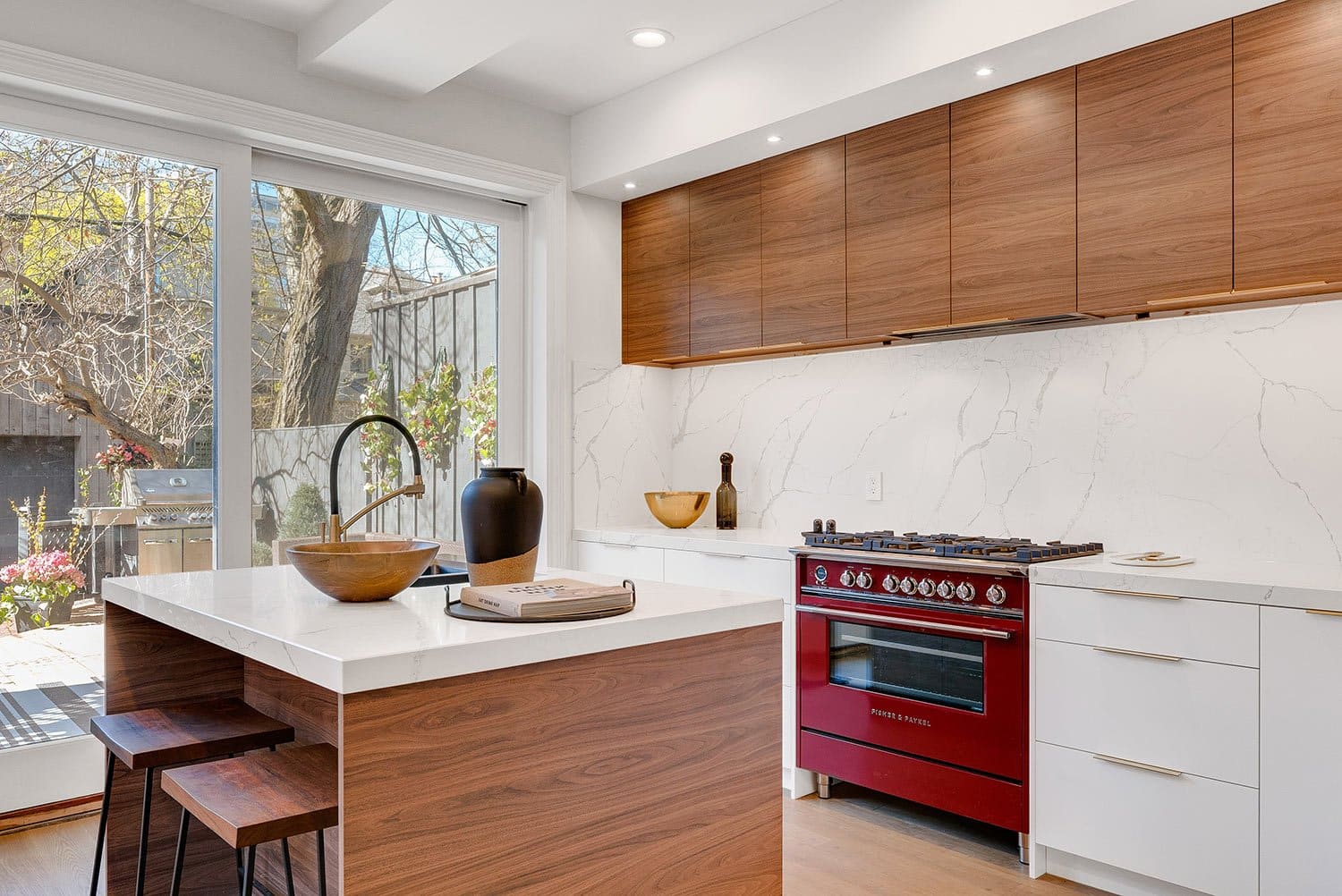
In the world of interior design, minimalism is all about creating serene and clutter-free environments.
The emphasis is on functional furniture, neutral colors, and open spaces. Minimalist interiors often feature clean lines, simple furniture, and a lack of unnecessary decorations.
This design approach is particularly popular in urban apartments and modern homes, where space is often limited.
Minimalist design helps to maximize space and create a calming, organized atmosphere.
3. Fashion
Minimalist fashion focuses on simplicity, quality, and timeless pieces. Brands like Uniqlo, Everlane, and COS champion the minimalist fashion trend, offering versatile, high-quality clothing in simple silhouettes and neutral colors.
The goal is to invest in pieces that can be worn in multiple settings, reducing the need for excessive clothing.
The rise of capsule wardrobes, which consist of a small collection of versatile clothing items, is a direct result of the minimalist movement in fashion.
4. Product Packaging
Minimalism has also influenced product packaging. Many brands are opting for clean, simple packaging with a focus on typography and subtle design elements.
This approach appeals to modern consumers who value sustainability, functionality, and aesthetic simplicity.
For example, luxury brands often use minimalist packaging to convey elegance and sophistication.
Even eco-friendly brands embrace minimalism in their packaging to communicate a commitment to sustainability.
Conclusion: The Lasting Power of Minimal Design
The minimal design trend is more than just a passing phase. Its emphasis on simplicity, functionality, and beauty has made it a timeless approach to design across various industries.
As we continue to navigate an increasingly complex world, the appeal of minimalism—its ability to clear away the clutter and highlight what truly matters—will likely continue to grow.
In both digital and physical spaces, minimal design offers a refreshing change from the overwhelming noise of modern life.
By focusing on clean lines, thoughtful layouts, and user-centered design, minimalism helps create experiences that are both aesthetically pleasing and easy to navigate.
Whether you’re designing a website, planning an interior, or crafting a brand identity, embracing the minimal design trend can help you create clear, purposeful, and impactful experiences. In the end, less truly can be more.


 Donec pede justo, fringilla vel, aliquet nec, vulputate eget, arcu. In enim justo, rhoncus ut, imperdiet a, venenatis vitae, justo. Nullam dictum felis eu pede mollis pretium. Integer tincidunt. Cras dapibus. Vivamus elementum semper nisi. Aenean vulputate eleifend tellus. Aenean leo ligula, porttitor eu, consequat.