Different Types of Salad Bowls Available in the Market

If you love to mix and serve green salad regularly, you’ll definitely find it handy to use a salad bowl. A salad bowl is shallow on the sides and large and round compared to other types of bowls.

Since salad bowls are made for holding salad ingredients they don’t have much depth as that of other kinds of bowls. It’ll make your life much simpler and easier as it’s often multipurpose.

Moreover, it might even inspire you to eat fruits and vegetables on a daily basis and lead a healthy life. However, there’re various types of salad bowls available in all shapes and sizes but the main difference is in the materials they’re made of.

In this post, I’d like to share different types of salad bowls along with details of their materials. Let’s check the post thoroughly so that you make the right choice. Keep scrolling to get more.

Types of Salad Bowls Available in the Market

One of the most important things that you must consider while choosing a salad bowl is its material. Wooden bowls are widely popular as are stainless steel, ceramic, glass, and melamine. Before you choose a salad bowl for your kitchen, consider the different ways you want to use it.

However, there’s a complete list of different types of salad bowls just below. Let’s check the list out so that you can get your required one easily.

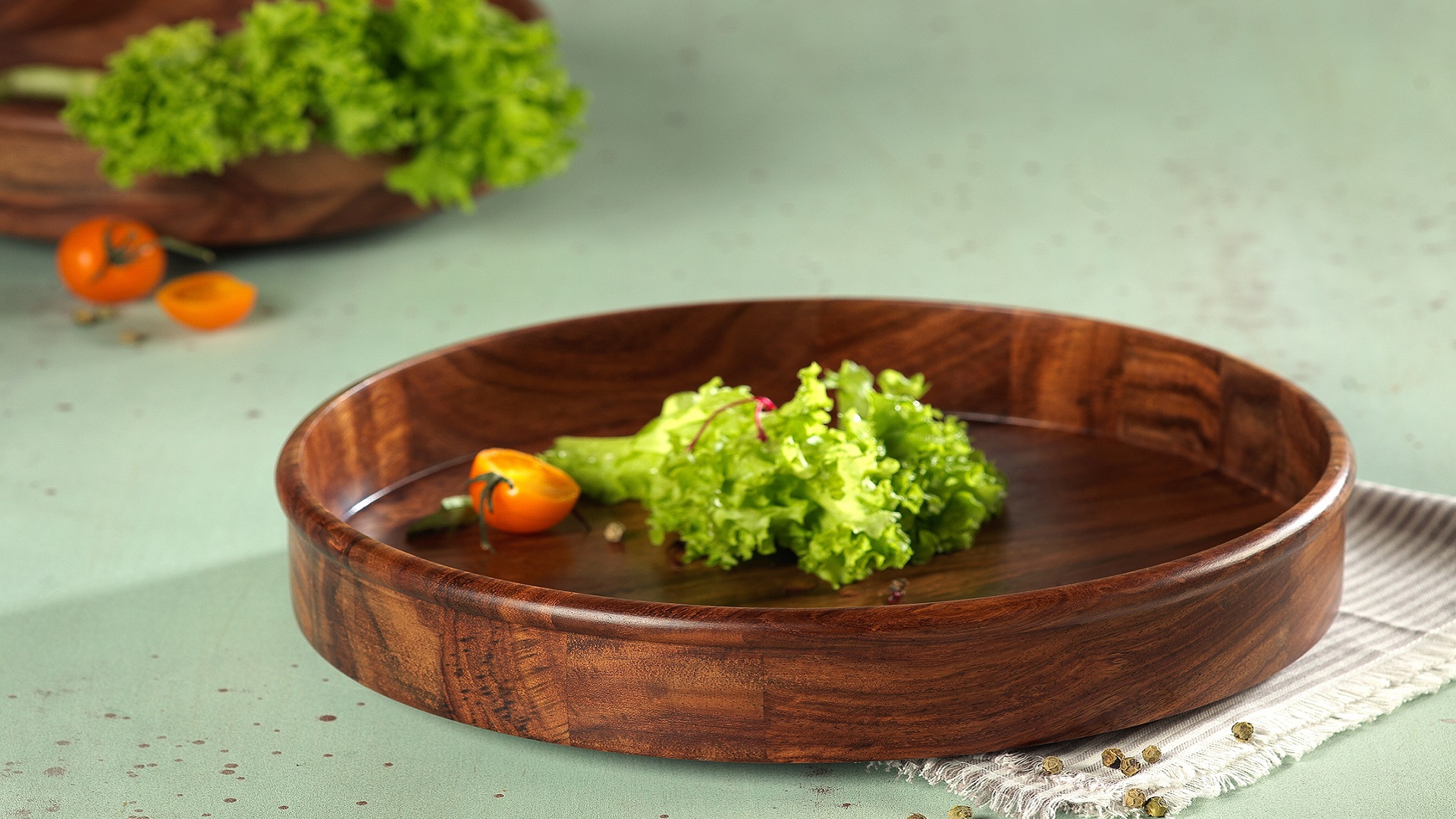
Wooden Salad Bowl

Wooden Salad Bowl

Natural materials such as wood can bring a warm and beautiful element to your salad bowls. They are eco-friendly and also have no side effects expected even after long time use. Wooden bowls can either be hand finished or pre-finished. Pre-finished means it already has a varnish applied to it that makes it waterproof and more attractive to look at.

To hand finish your wooden bowl, all you need to do is to apply seasoning oils, walnut, or mineral oil. It would be good to rub beeswax onto the wood along with mineral or walnut oil to make the bowl more durable. This will prevent your wooden bowl from any kind of unexpected cracking since some parts may dry without any oil.

Hand-Finished wooden salad bowls come with a cozy and earthy touch. However, it could look nice and pleasant if you can match it with the right utensils and proper table preparation.

Bamboo Salad Bowls

Bamboo Salad Bowls

Bamboo salad bowls have proven to be remarkably popular all over the world in the last few years. Nowadays people are becoming more ecologically conscious all along with global warming at the lead of public consciousness.

The most noticeable thing is that you can now buy disposable bamboo plates and dishes also. They’re completely biodegradable as well as eco-friendly which means they’ll not harm the environment in any way.

The bamboo salad bowls that you can buy are not something that you need to dispose of them after just you use them for once. You can reuse your bamboo salad bowls many times if you are willing to clean them by hand. They are great for mixing and serving salad and will look amazing on your dining table.

Glass Salad Bowl

Glass Salad Bowl

The most common salad bowls that anyone prefers to use for mixing and serving salad is the glass salad bowl. Using glass salad bowls will be a great idea if you want the salad to be seen through the bowl. Because of this material, you can easily spot out if the ingredients have been tossed completely.

Moreover, you can also put this type of salad bowl in the refrigerators to keep your ingredients cold and fresh for longer.  There’s nothing to worry about the color and taste of your salad being affected when you’re using a glass bowl.

However, the only problem with glass bowls is that they can easily break or crack when dropped on the floor.

Ceramic Salad Bowl

Ceramic Salad Bowl

Ceramic salad bowls are also widely popular across the world because of their warm and attractive look. While they are not indestructible but definitely a little bit more durable than your regular glass bowl. A really nice ceramic salad bowl can be very visually appealing on your dining table with its distinct look.

These salad bowls are excellent because they are just so convenient in every situation. In spite of mixing salad, you can use these bowls as serving bowls as well. Moreover, you can also use your ceramic salad bowls to decorate your kitchen as they really are very pretty.

However, ceramic bowls are also can break or crack easily like glass when dropped on any hard surface. So, you need to be careful while cleaning or storing your ceramic salad bowls.

Melamine Salad Bowl
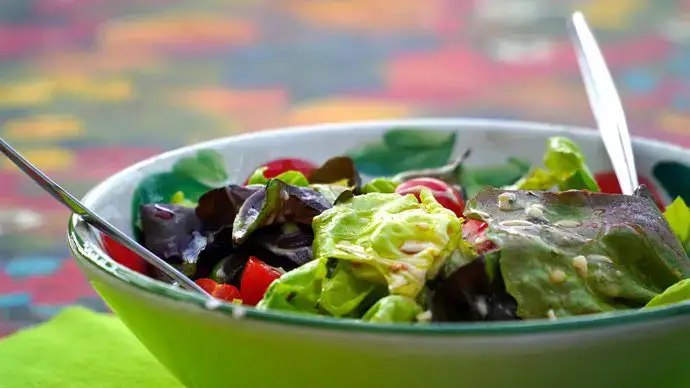
Melamine Salad Bowl

If you’re looking for a salad bowl that can be used for everyday life as well as easy to clean, then you can go with melamine. This kind of salad bowls is made with strengthening materials to prevent them from unexpected cracking or breaking.

Even though there were concerns in the previous over the safety of melamine dishes, the FDA has declared this material safe to use. Moreover, there’re no harmful chemicals in the melamine bowls that can harm your health means you can use them without any fear.

Moreover, melamine bowls can be washed in the dishwasher without any fear of breaking or cracking. These bowls are extremely durable and will not shatter if dropped or used with very cold food.

Porcelain Salad Bowl

Porcelain Salad Bowl

One of the main benefits of using porcelain salad bowls is that they’re really lovely to look at. You can purchase these salad bowls in various colors, designs, styles, and sizes according to your taste and requirement.

Since these bowls are usually heavier than the other types of salad bowls, they’ll not move around on the countertop while you’re using them. Unfortunately, porcelain is very prone to chipping and cracking and it is very easy to damage accidentally.

So you must pay enough care and attention while using these bowls in order to keep them safe.

Acrylic Salad Bowl

Acrylic Salad Bowl

The Acrylic salad bowl is as sturdy as it is pretty and beautiful. This kind of salad bowl offers great balance because of its stable structure. Since these bowls are made of high-quality material and are BPA-free, they’re safe to use for regular life.

The clear and elegant design of these beautiful bowls will match amazingly the rest décor of your kitchen. Moreover, high-quality Acrylic salad bowls are break-resistant as well as shatterproof that makes them convenient to use.

However, some low-grade Acrylic salad bowls are prone to scratching and cracking so it’s recommended to handle the bowl with care while using.

Plastic Salad Bowl

Plastic Salad Bowl

This is probably the least expensive salad bowls available in the market. Compared to other types of salad bowls like glass or ceramic, plastic tends to be last for longer for obvious reasons. These salad bowls are effectively indestructible, making them the choice for a picnic or outdoor parties.

Moreover, plastic salad bowls come in different colors, sizes, and shapes so you can choose a bowl that’ll match your table preparations. The main disadvantage of plastic salad bowls is that you cannot leave them on a too hot surface like a stove or an oven.

Lighter plastic salad bowls, in particular, are also prone to retaining odors and stains as well. That’s why it’s always recommended to choose high-quality plastic salad bowls while buying.

Stainless Steel Salad Bowl
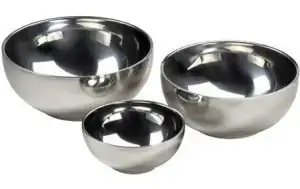
Stainless Steel Salad Bowl

Stainless steel is probably the least common material for salad bowls. However, that doesn’t mean it is less durable or attractive than other types of salad bowls available in the market.

Some people prefer to serve their salad on a glass, wood, or plastic bowl than stainless steel material. Stainless steel salad bowls are sturdy, lightweight, and also do not cheap easily.

Moreover, this type of salad bowl doesn’t retain the smells or flavor of previous ingredients, unlike plastic. These bowls can also be used for multipurpose rather than a salad bowl in your kitchen.

Last Words

In conclusion, salads are definitely a great way to stay healthy and raise your intake of veggies and fruits. Having the right bowl to prepare your favorite salads will help you to get creative and make the most of your tasty ingredients.

However, while choosing salad bowls for your kitchen, you should also consider the number of people you’re going to serve. This will help you to find out the right salad bowl of appropriate size.

You can also choose a salad bowl that matches the other utensils and dinnerware that you already own.
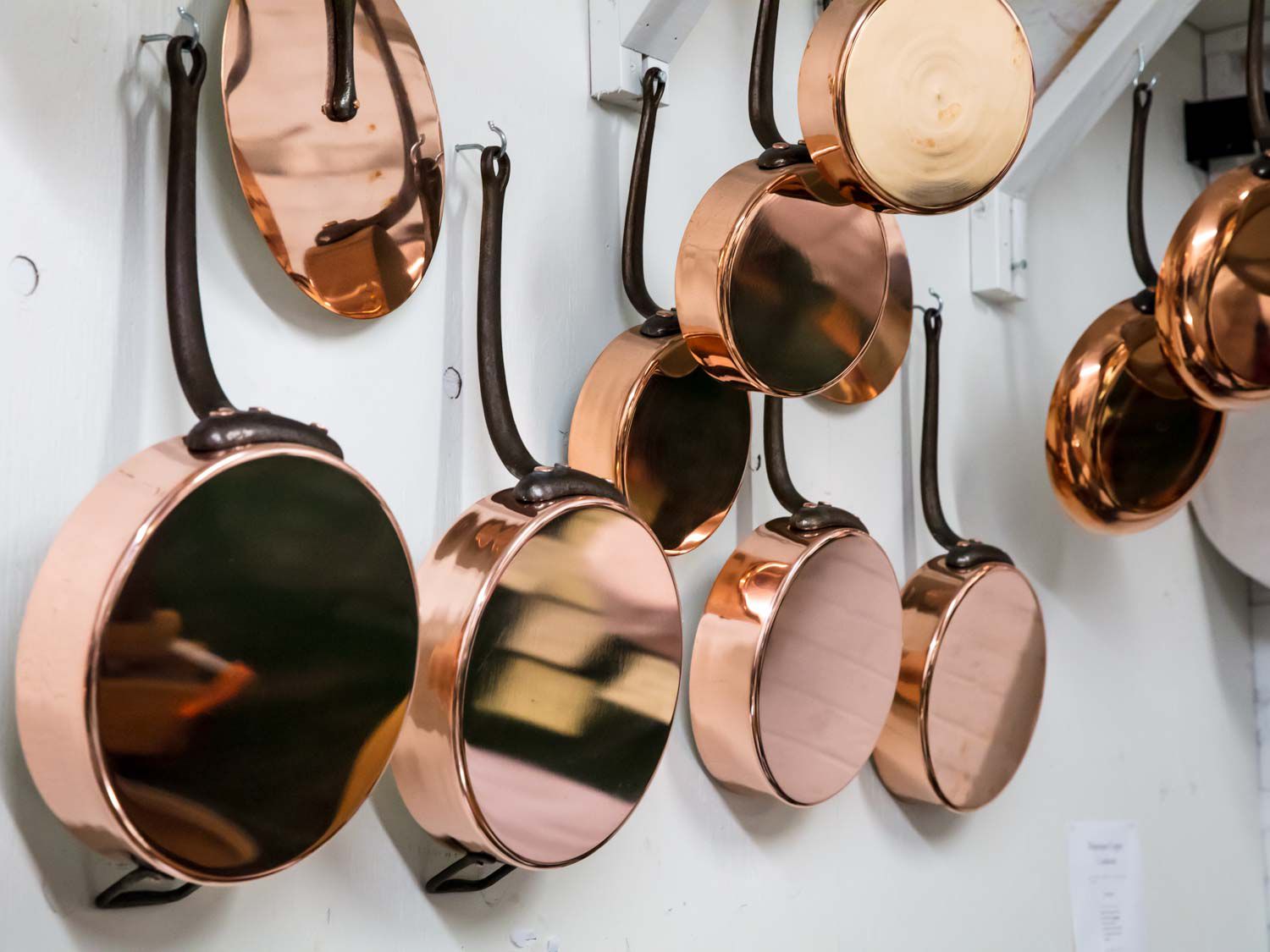
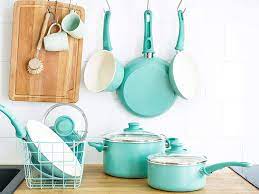
Copper Cookware Pros and Cons | Everything You Need to Know

Choosing the right cookware for your kitchen can be overwhelming, especially with the many options available in the market. In this article, we’ll explore the pros and cons of copper cookware to help you decide if it’s the right choice for you. Copper cookware is known for its superior heat conductivity, attractive appearance, and durability. But, like any other material, it also has its drawbacks. We will break down the benefits and potential downsides so you can make an informed decision on whether copper cookware suits your cooking needs.

In this article, we will take a deep dive into copper cookware, discussing its pros and cons, the materials used, care instructions, and everything you need to know to decide whether it’s the right choice for your kitchen.

What is Copper Cookware?

Copper cookware mainly consists of copper metal, which is known for its excellent heat conductivity. Copper often combines with other materials like stainless steel, tin, or nickel to enhance its durability and provide a non-reactive cooking surface.

Manufacturers usually design the outer part of the cookware from copper, while they line the inner cooking surface with stainless steel or tin. This combination of materials offers both the benefits of copper’s heat conductivity and the durability of stainless steel.

People often choose copper cookware for its beautiful, shiny appearance and its ability to cook food evenly. Both professional chefs and home cooks prefer copper cookware for its superior performance.

Why Choose Copper Cookware?

1. Excellent Heat Conductivity

Many chefs prefer copper cookware because it offers superior heat conductivity. Copper heats up quickly, allowing you to control the temperature rapidly. This responsiveness helps you avoid hot spots and ensures that your food cooks evenly.

2. Attractive Appearance

Copper cookware has a distinctive, beautiful shine that adds elegance to any kitchen. Many people consider it a statement piece in their kitchens and opt for it when they value aesthetics along with functionality.

3. Durable and Rust-Resistant

When lined with materials like stainless steel, copper cookware resists rust and corrosion. The undercoating prevents oxidation, which helps copper cookware maintain its appearance and functionality over time.

4. Even Cooking

Copper cookware ensures that heat is distributed evenly throughout the cooking surface. Unlike other materials that may have hot spots, copper helps you cook food uniformly, leading to better results.

5. Safe and Non-Toxic Surface

Copper cookware doesn’t contain non-stick coatings like Teflon. The stainless steel surface used in many copper pots and pans is non-toxic and safe for high-temperature cooking. It doesn’t release harmful fumes, making it a healthier option for your kitchen.

Pros of Copper Cookware

While copper cookware has many advantages, it also has a few drawbacks that you should be aware of before making a purchase. Let’s look at the key pros first:

1. Superior Heat Conductivity

Copper’s exceptional ability to transfer heat makes it a favorite in the kitchen. It heats up quickly and distributes heat evenly, allowing for precise temperature control while cooking. This quality is especially beneficial for delicate dishes that require consistent heat.

2. Rust and Corrosion Resistance

Copper cookware resists rust and corrosion when lined with stainless steel or other protective layers. It lasts for a long time when you care for it properly.

3. Non-Toxic Surface

Unlike non-stick cookware that can release harmful chemicals when overheated, copper cookware with stainless steel surfaces remains completely non-toxic. It won’t emit fumes that could harm your health.

4. Easy to Clean

Copper cookware is relatively easy to clean, especially when lined with stainless steel. Its smooth surface lets you wipe away food remnants with ease. However, you must wash it by hand, as dishwashers can cause discoloration.

5. Beautiful Appearance

Copper cookware looks great with its gleaming surface. Many people choose it not only for its functionality but also for its visual appeal. It adds a vintage or professional touch to your kitchen, making it a stylish choice for those who appreciate quality kitchenware.

6. Durable and Long-Lasting

Copper cookware, when well-maintained, can last for many years. Its durability is enhanced by the protective coating, which helps it resist wear and tear over time.

Cons of Copper Cookware

While there are numerous benefits to copper cookware, consider the following cons before making a purchase:

1. Expensive

Copper cookware costs more than cookware made from other materials. Copper is a premium material, and cookware made from it tends to be more expensive than alternatives like stainless steel or aluminum.

2. Not Dishwasher Safe

You can’t wash copper cookware in the dishwasher. The dishwasher can cause discoloration and damage to the copper’s shiny surface. Wash it by hand and dry it thoroughly after cleaning to preserve its look.

3. Reactive with Acidic Foods

Copper is reactive with acidic foods like tomatoes, vinegar, and citrus fruits. Cooking acidic foods in unlined copper cookware can result in a metallic taste. To prevent this, manufacturers line most copper cookware with stainless steel or aluminum.

4. Heavy

Some high-quality copper cookware can be quite heavy. This weight may make it difficult for some people to handle. Although copper offers excellent heat conductivity, its weight can be a downside for those who prefer lightweight cookware.

5. Requires Maintenance

Copper cookware needs regular maintenance to preserve its shine. It can tarnish over time, and you’ll need to polish it to restore its original appearance. While it’s easy to clean, maintaining its aesthetic requires more effort.

How to Care for Copper Cookware

To keep your copper cookware in top condition, follow these care tips:

  1. Hand Wash Only: Always wash copper cookware by hand. Avoid the dishwasher, as it can cause discoloration and damage the copper.

  2. Dry Immediately: After washing, dry your copper cookware immediately to prevent water spots.

  3. Polish Regularly: Copper cookware may tarnish over time. Use a copper cleaner or a homemade solution (like lemon and baking soda) to polish it and maintain its shine.

  4. Avoid High Heat: Copper cookware isn’t suitable for high-heat cooking. Avoid using it on the highest heat settings to prevent damage to its finish and appearance.

  5. Use Metal Utensils Carefully: While copper cookware works with metal utensils, be cautious to avoid scratching the surface.

FAQ: Copper Cookware

1. Is copper cookware worth the investment?

Yes, copper cookware is worth the investment if you want high-quality cookware that provides excellent heat conductivity, beautiful design, and durability. However, its higher price tag may be a consideration for some.

2. Can copper cookware be used on induction cooktops?

Copper cookware isn’t compatible with induction cooktops unless it has a magnetic stainless steel layer on the bottom. Without this layer, copper cookware won’t work with induction cooking.

3. How can I remove tarnish from copper cookware?

You can remove tarnish using a copper cleaner or a paste made of vinegar, salt, and flour. Apply the paste, scrub gently, and rinse with warm water.

4. Is copper cookware safe for health?

Yes, copper cookware is safe as long as it’s lined with stainless steel or another non-reactive material. Unlined copper cookware should not be used with acidic foods, as it may cause a metallic taste and pose health risks.

5. How do I prevent copper cookware from turning green?

Polish your copper cookware regularly and ensure it’s thoroughly dried after cleaning. You can also use a protective coating or polish to prevent tarnishing.

Conclusion

Cookware Pros and Cons offers numerous benefits, including superior heat conductivity, durability, and an attractive appearance. However, it comes with a higher price tag and requires special care and maintenance. Whether it’s the right choice for your kitchen depends on your cooking style, budget, and willingness to maintain it properly.

By understanding the pros and cons of copper cookware, you can make a more informed decision about whether it’s the best option for your needs. Happy cooking!

How to Clean Ceramic Cookware (Pots and Pans) Perfectly

Nowadays ceramic cookware is most popular in the modern kitchen because of its various advantages. It is non-stick, nonporous, and also nonreactive to the foods. It requires less butter or oil while cooking which is great as a health issue. So this cookware would be a great choice who is concern about health.

Moreover, people also love this cookware because of its beautiful outlook. Although this cookware is easy to clean, still you should know how to clean ceramic cookware properly. In this article, I’ve included the cleaning process of ceramic cookware with details. Hopefully, this guide will help you to clean and take care of your ceramic pots and pans easily.

How to Clean Ceramic Cookware | Steps to Follow

It is important to read the manufacturer’s instructions about the cleaning process of the cookware. It will be helpful to clean the cookware properly. Moreover, there are several important points on how to clean ceramic frying pan or ceramic pots right below.

Wash Ceramic Pots or Pans after Each Use

Cleaning the entire ceramic cookware set after each use is meant to keep its durability for a long. Moreover, it can avoid the spring of stains or discoloration of the ceramic surface due to all kinds of dirt that are left for a long time. Use a dishcloth or soft sponge and warm, soapy water to clean the pan entirely.

Never use nylon, wood or other abrasive items or cleaners to clean your ceramic cookware. Otherwise, they can damage the ceramic coating of the pan.

Although some manufacturers say it’s okay to place the ceramic cookware in the dishwasher. But only washing the cookware manually can extend life.

Soak the Ceramic Cookware in Warm or Hot Water to Remove Burnt Food

Soaking the ceramic pans or pots in warm water for at least 30 minutes will help to loosen up the food. It is also helpful to make the cleaning process easier.

To remove the extra difficult residue add one cup of vinegar with four cups of water to the pan. Boil it for at least 3-5 minutes, after that turn of the stove. Once the solution cools, wipe the residue out with a dishcloth or sponge.

Use Baking Soda to Remove Harsh Stains

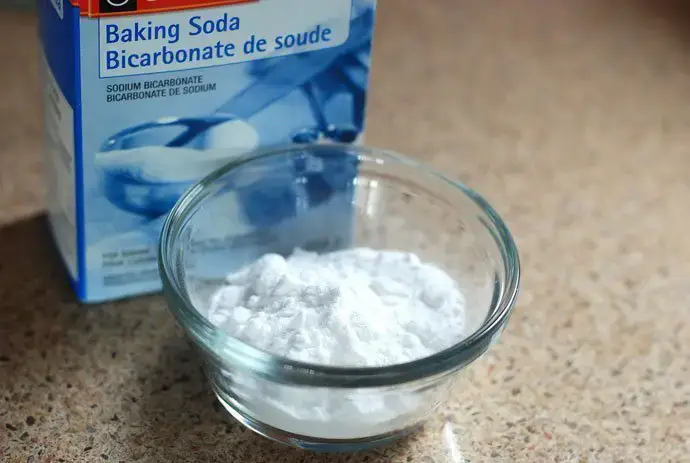
When the ceramic pan is clean and wet, sprinkle a few teaspoons of baking soda generously over the stained area. Leave the pan for 15-20 minutes to set the baking soda. After that scrub the pots or pans in circular motions using a soft-bristled dish brush. Wash the pan in warm water and dry it thoroughly.

Use Baking Soda to Clean Ceramic Pots and Pans

Using Hydrogen Peroxide

For cleaning larger ceramic pots and porcelain enameled cast iron cookware, you can use 3% fresh hydrogen peroxide. It creates bubbles inside the pots when it comes in contact with the stain or burnt area. It works well when fresh but it loses its strength if it’s sitting on the shelf for a long time.

Pour an ounce of hydrogen peroxide, fill your cookware with water and allow it to sit. If needed, use a soft-bristle toothbrush to scrub the burnt area gently. Never scrub your cookware aggressively with steel wool, hard plastic dish brushes or boar bristle brush.

Apply Vinegar Solution to Remove Obstinate Stains

You will need a mixture of thick vinegar, baking soda, and plain water for this cleaning process. Put one-fourth cup of vinegar with two tablespoons of baking soda, and a quarter of plain water together for this. Fill your ceramic pots with this solution and boil it for a while. After a few minutes put it aside, let the combination cool, drain it.

Wash entire pots with a mild detergent, rinse them thoroughly with normal water and pat dry with a towel. This solution is best to remove the burnt food from ceramic cooking products.

Allow the Ceramic Cookware to Dry Completely After Washing

After cleaning your ceramic pans or pots let them dry completely before storing. You can use a paper towel or clean dish towel to dry the ceramic cookware. You have another option to make your ceramic cookware dry, you can air-dry the pans on a drying rack.

Tips and Tricks to Spread Out the Lifetime of Your Ceramic Pans and Pots

Although ceramic cookware requires extra attention and care. Your little care can increase the lifetime of your loveable cookware. There’re some of the most efficient tips and tricks, these will help you to take good care of your ceramic cookware.

Avoid the use of metal utensils while you are cooking or serving with ceramic cookware. It would be better to use wooden, plastic, silicone or nylon utensils and spatulas with the ceramic cookware products. Metal utensils could damage or scratch the ceramic coating system.

Do not cut the foods with knives while it is still in the pans. Because knives can also damage the ceramic coating of the pans.

Add just a small amount of butter or oil to make an even coat of the pans. A small amount of oil will be enough to prevent the food from sticking and avoid burnt-on messes. Never use a cooking spray on the non-stick ceramic pans as it can damage the pans. You should avoid the use of extra virgin olive oil in ceramic pots and pans. Because this oil cannot tolerate high heat temperatures and will leave a carbonized layer in the pan.

Although ceramic cookware is suitable for high heat, it would’ve better to use it at low to medium temperatures. Because most of the ceramic cookware cannot take long periods of high heat. Using high heat can cause the food to stick on the pan that can lead to damage and discoloration.

To make the best practice preheat the pot or pan with oil on low heat and raise the temperature after you add the food.

Allow your ceramic pans or skillets to cool completely before cleaning. Do not put a hot ceramic pan into the cold water. It can damage the non-stick coating and may even destroy the pans. So it would be best to wait until your ceramic pans are cool before washing them.

Storing the ceramic cookware on top of the other cookware or skillets can cause damages to the coating. Store your ceramic pans or pots carefully away from other cookware. To store the cookware properly hang it on a hook or on the shelf by itself.

If space is an issue, try placing a small dishcloth, a napkin, or a specially made pot protector between pans while storing.

Check This Video Below to Learn “How to Clean Ceramic Pan” Easily and Quickly.

Last Thought

In conclusion, some people may afraid to purchase ceramic cookware because they may don’t know how to clean ceramic cookware properly. It is not too tough to clean the ceramic pans or pots. If you pay attention and follow the right process you can clean your ceramic products effortlessly.

One more tip for you, use lemon juice or vinegar to keep the shiny look of the ceramic cookware. After finishing the cleaning process apply lemon juice or vinegar to all parts of the cookware. This simple trick will be helpful to keep the shiny look of the cookware for a long time.

Best All-Clad Cookware Reviews

A high-end and best performing cookware set is the dream of every home cook even for professional chefs. But buying a high-end cookware set is not easy especially for home cooks as most of them are newbie cooks. However, a good quality cookware set always comes from the best brands and All-Clad is one of them. This USA Cookware Brand is well-known and most popular for their high-quality and durable cookware sets. From stainless steel to copper and nonstick, they have different types of cooking pots and pans for both professional chefs and home cooks. Here we are going to profile out some best All-Clad cookware sets including individual pots and pans. And this will help you to save your time and money by choosing the right All-Clad cookware set. Well, before going to a brief discussion and review, let’s have a look at some points on Why you should buy All-Clad cookware products or Why you shouldn’t buy them?

Why All-Clad Cookware? (Features and Advantages)

Why You Shouldn’t Choose All-Clad? (Drawbacks)

5 Best All-Clad Cookware Sets Review

1. All-Clad D5 Stainless Steel 5-Ply Bonded Dishwasher Safe Cookware Set

One of the top-rated cookware set from All-Clad that comes with a 5-ply construction and brushed exterior. The first exterior layer is stainless steel, then aluminum, then copper core, then aluminum and finally 18/10 stainless steel inner layer.

All-Clad D5 Stainless Steel 5-Ply Bonded Dishwasher Safe Cookware Set

This 5 play construction makes this set most durable as well as best for even heating. The set also can transfer heat rapidly as well as heat’s up faster than any other stainless steel cookware set. This quick and even heat transfer will save at least 20% energy while cooking with this set.

The design of this cookware set is amazing. With the brushed steel exterior and unique craftsmanship, this one will definitely increase your kitchen’s beauty. And the long riveted handle of the pots and pans comes with stay-cool features.

The D5 set is compatible with different stoves including induction. It also comes with oven safe features and can withstand up to 600° F temperature. For easy cleaning, the cookware set is optimized for dishwasher cleaning, so cleaning is also easy.

All-Clad D5 cookware set available in 4 different packages from 5 to 14-pieces package. So you can easily pick the right package according to your family size and daily cooking needs.

Bottom Line

Overall this is one of the best All-Clad stainless steel cookware set for developing or busy home cooks, even for professional chefs. The best part of this cookware set, it’s can tolerate high heat cooking, compatible with all cooking hobs and best for multi-tasking.

2. All-Clad SS Copper Core 5-Ply Bonded Cookware Set

Well-known as All-Clad copper core cookware set which is one of the best-selling cookware set from All-Clad copper core line. This premium quality cookware set is made of 5-ply construction like the D5 one and available in 3 different packages.

All-Clad SS Copper Core 5-Ply Bonded Cookware Set

The starter 7-piece package will be perfect for a small size family or single living for cooking daily meals. The heavy duty design makes the set ideal for both professional to newbie home cooks. As the copper core helps to distribute heats evenly and rapidly, so food can be cooked evenly and faster.

The appearance of this cookware set is amazing. A copper line appeared in the bottom area of each pot and pans of this set. The build quality is also amazing with top-graded stainless steel, aluminum and copper materials.

This copper cookware set also compatible with all cooking stoves including induction. As the bottom area of each pot and pans finished nicely, so you can also use them in any glass top stoves.

Bottom Line

Looking for the best All-Clad pots and pans set that can handle a busy kitchen task for the long run?

Check this All-Clad copper core 5-ply cookware set that is perfect for home and experienced cooks. The 5-ply construction, nonstick cooking surface, easy cleaning and dishwasher safe features make this set the best-selling one from the All-Clad copper line cookware series.

3. All-Clad Ha1 Hard Anodized Nonstick Cookware Set

Looking for an All-Clad hard anodized cookware set that comes with all essential pots and pans for everyday cooking?

The All-Clad HA1 is here with 3 different packages from 8 to 13 pieces of cooking utensils including pots, pans and lids. This is the ideal cookware set for the newbie who wants to cook with less oil/fat. Also best for easy cleaning as the cooking surface is 100% nonstick, so it releases food easily and there is also no food burning issue.

All-Clad Ha1 Hard Anodized Nonstick Cookware Set

The main body is made of aluminum through the hard anodization process. This process makes the aluminum body stronger than stainless steel. And the inner nonstick surface made of PFOA and other harmful chemical free nonstick coating. The long handle is made of stainless steel with stay-cool features. The lid is made of transparent tempered glass which helps to observe the food perfectly while cooking.

Like other cookware lines of All-Clad, this All-Clad nonstick cookware set is also compatible with all types of stoves including induction. The pots and pans are also oven safe and can tolerate up to 500 degrees F (Lids are not oven safe). Although All-Clad claims this set is dishwasher safe, but we strongly recommend avoid dishwasher cleaning.

Bottom Line

With two different sizes of frying pans, 2 saucepans, 1 sauté pan and 1 stockpot, the HA1 is one of the best hard anodized cookware set in the market. You will get all the essential pots and pans for everyday cooking. As the set fully nonstick, so cleaning will be fun.

4. All-Clad D3 Stainless Cookware Set

Another stainless steel cookware set from All-Clad. D3 comes with 3-ply construction, magnetic stainless steel exterior, heavy-gauge aluminum core and 18/10 nonstick stainless steel interior. The D3 is also the best-selling one from All-Clad which is least expensive than the 5-ply or copper core line.

All-Clad D3 Stainless Cookware Set

The 3-ply construction with aluminum core helps to heat up faster and also speared the heat quickly as well as evenly. So food can be cooked evenly and you can also control the temperature which is important for most of the recipes.

As the inner layer made of food-grade steel, the set won’t react with food. So your food taste won’t change due to the cookware. Another positive side of this set is, it’s lightweight than the D5 or copper core line. So handling will be simple while cooking or cleaning.

The D3 cookware set available in 4 different packages; 4, 7, 10 and 14-pieces. So choosing the right size will be easy according to your daily cooking needs.

Bottom Line

The budget-friendly all-clad cookware review set is recommended for intermediate cooks with an essential piece of pots, pans and lids. This cookware set is made of America Steel and Aluminum, so there is nothing to worry about quality. Also, the manufacture provides a limited lifetime warranty for this set.

5. All-Clad D3 Compact Stainless Steel Cookware Set

This is the compact version of the All-Clad D3 stainless steel cookware set which is perfect for a small kitchen. You can store them in a small place after each use. Although the size is compact, but this one is also constructed with 3 layers of metal like the previous one. So even heating, quick heats up and rapid heat transfer remains the same the like previous one.

All-Clad D3 Compact Stainless Steel Cookware Set

The D3 compact set available in two different versions, stainless steel and stainless steel nonstick. The nonstick one inner surface comes with PFOA-free nonstick coating. This coating makes the set more nonstick for less oil cooking, easy food release and quick clean up. And both versions available in 3 different packages; 5, 7 and 10-piece pots, pans and lids packages.

Bottom Line

The All-Clad D3 compact set is ideal for those who have limited kitchen storage and less budget for a premium quality set. This D3 set also comes with other all-clad cookware review  features like oven safe and dishwasher safe.

Final Words

Now you know everything about some most popular and best-selling All-Clad cookware lines. So hopefully it will be easier to decide which all-clad cookware review line will be best for you according to your needs and budget.

Building your All-Clad cookware collection by buying a frying pan or pot separately will be costly. So buying a whole cookware set can save your money as well as time. But as a cookware expert, I always love to collect them separately although it takes time and costs more bucks.

However, if you have already an All-Clad cookware set or individual pots and pans, you can share your experience below in the comment section.

How to Clean Stainless Steel Cookware | Most Effective and Simple Ways

Stainless steel is one of the most popular materials for cookware. Known for its durability and attractive, shiny appearance, it offers both aesthetic appeal and functionality. Unlike non-stick cookware, stainless steel is ideal for heavy use and is compatible with metal utensils.

In addition, stainless steel cookware has a long lifespan. Once you invest in a stainless steel pot or pan, you can rely on it for years of use. For these reasons, many people prefer this cookware for their kitchens.

However, cleaning stainless steel cookware can sometimes be a bit challenging. In this article, we’ll explore some effective and simple methods for cleaning stainless steel pots and pans. These methods will help you save both time and energy while maintaining your cookware.

How to Clean Stainless Steel Cookware (Pots and Pans)

Purchasing stainless steel cookware is an investment, so it’s important to take care of it regularly. Cleaning stainless steel cookware properly ensures its longevity. Here are some methods to clean your cookware effectively:

1. Clean Crusted Food with Warm Soapy Water

If your stainless steel pot or pan has stubborn food stuck to it, try this simple trick. Soak the pot or pan in warm soapy water for several hours. For best results, leave it to soak overnight.

After soaking, drain the water and scrub with a non-abrasive rubbing pad. This method removes most of the build-up. Avoid using metal wool or copper-based scrubbers, as they can scratch the surface.

2. Use Vinegar and Baking Soda to Remove Stuck-on Food

This method requires just two ingredients: vinegar and baking soda. Vinegar is an effective cleaner for stubborn food particles due to its acetic acid content, which breaks down tough residues.

Fill the pot or pan with enough water to cover the affected area, then add one cup of vinegar. Boil the mixture, then remove the cookware from heat. Add two tablespoons of baking soda to the solution, mix it briefly, and drain the solution.

Next, use a non-abrasive scrubber to remove any remaining food. This method works wonders for cleaning stainless steel cookware.

3. Remove Difficult Residue with Salt and Lime

Salt and lime can be effective for removing tough food residue. The acidity of the lime helps break down the particles, while the salt’s abrasiveness helps scrub away loose food.

Squeeze lime juice into the pot or pan and sprinkle a small amount of salt. Let the solution sit for a few minutes, then add more salt and scrub with a non-abrasive scrubber. Once the food residue is gone, wash the pan with water and dry it as usual.

How to Remove Burn Marks and Discoloration

4. Get Rid of Burn Marks with Baking Soda

Burn marks can be irritating, but you can remove them with baking soda. First, ensure the pan is dry. Then, flip the pan over and sprinkle a generous amount of baking soda on the burnt area.

Use a dry cloth or sponge to rub the baking soda into the pan. You can also add a little water to make a paste if needed. Once the burn marks are gone, wash the pan with water and dry it.

5. Clean Serious Burn Marks by Boiling Salt

If baking soda doesn’t work for more severe burn marks, try boiling salt. Fill the pan with enough water to cover the burn marks and bring it to a simmer. Add a few spoonfuls of salt and let the water sit for several hours. Drain the water and scrub the burn marks with a rubbing pad.

If the burn marks remain, repeat the process. For an alternative, you can use lemon juice or white vinegar instead of salt.

6. Remove Discoloration with Vinegar

Discoloration from overheating is common with stainless steel cookware. To remove it, clean the pots or pans with vinegar and rinse with tap water.

If your cookware has calcium build-up, mix one part vinegar with three parts water. Boil the solution in the affected pan, let it cool, then wash it as usual.

7. Clean Water Spots with Club Soda

Water spots often result from mineral deposits in the water. These marks are easy to remove with club soda. Pour a little club soda into the pan, swirl it around, and then wipe the spots off with a clean dishcloth.

Tips to Maintain Your Stainless Steel Cookware

Now that you know how to clean your stainless steel cookware, here are some additional tips to help you maintain it properly:

8. Clean Your Cookware After Every Use

To prevent stains and food build-up, clean your stainless steel cookware after each use. If your cookware is unseasoned, you can clean it with warm or hot water and soap. If needed, use a scouring pad to scrub it clean.

For seasoned pans, simply rinse them with warm water—no soap required.

9. Avoid Using the Dishwasher

Dishwashers can damage stainless steel cookware, so it’s best to avoid using them. Dishwashing detergents can harm the surface, and the cookware can lose its shine. If you must use a dishwasher, choose a mild detergent and rinse with club soda to prevent water spots.

10. Cool Cookware Before Washing

Allow your stainless steel cookware to cool completely before washing. Placing hot cookware in cold water can cause warping and damage. Let it cool naturally before starting the cleaning process.

11. Dry Cookware Immediately

To prevent water spots, dry your cookware immediately after washing. Use a paper towel to wipe each piece thoroughly. Although you can air-dry your cookware, it may leave watermarks.

12. Polish Cookware to Keep It Shiny

To maintain the shiny look of your stainless steel cookware, use a stainless steel polish. Apply some polish to a soft cloth and buff it into the cookware. For removing fingerprints, use a glass cleaner with a paper towel.

How to Re-Season Stainless Steel Pans

Re-seasoning your stainless steel pans is important for maintaining their surface. Here’s how to do it:

  1. Heat the clean pan on medium-high heat until it’s very hot.

  2. Remove it from the stove and add a tablespoon of oil (coconut, olive, or peanut oil works well). Swirl the oil around the pan until it melts.

  3. Place the pan back on the burner and heat it until the oil starts to smoke.

  4. Turn off the heat and let the oil cool completely. Once cooled, the pan will have a mirror-like finish, indicating it’s properly seasoned.

  5. Pour off any excess oil and wipe the surface with a paper towel.

Final Words

By following these simple cleaning and maintenance tips, you can keep your stainless steel cookware looking new for years.

Proper care will help maintain its functionality and appearance, making it a worthwhile investment for your kitchen. Happy cooking!

T fal Vs Farberware Cookware Sets | A True Comparison

Farberware Cookware Set is one of the most popular and affordable choices in the cookware market, known for its durability and non-stick properties. Along with T-Fal, it offers budget-friendly options that don’t compromise on quality. Both brands provide a wide variety of cookware sets that will enhance the beauty of your kitchen while delivering exceptional cooking performance.

In this article, we’ll compare T-Fal and Farberware Cookware Sets, highlighting their similarities and differences to help you decide which one is the best fit for your kitchen.

T-Fal vs Farberware Cookware Sets

When it comes to T-Fal vs Farberware, differentiating between the two can be difficult. If you’re not a cookware expert, you might find it challenging to identify significant differences. Nevertheless, after reviewing the features and performance of both brands, you’ll gain a clearer understanding of their strengths and differences.

Is T-Fal a Good Brand?

T-Fal has built a reputation for producing high-quality cookware, especially hard-anodized non-stick and stainless steel pots and pans. Their cookware is made from food-grade materials and is free from toxic substances. Importantly, T-Fal ensures its non-stick surfaces are safe for cooking, providing a healthier alternative compared to many other brands.

T-Fal vs Tefal

It’s important to note that Tefal and T-Fal are essentially the same brand. The primary difference is their marketing strategy: T-Fal is used in the US, while Tefal is used in France. Both brands are owned by SEB Group, a global leader in cookware manufacturing.

T-Fal vs Teflon

While Teflon refers to a non-stick coating used by various cookware brands, T-Fal is a cookware brand that often uses Teflon as its non-stick surface. Therefore, T-Fal and Teflon are two separate entities: T-Fal is a brand, while Teflon is the non-stick coating.

Is Farberware a Good Brand?

Similar to T-Fal, Farberware manufactures high-quality cookware, including non-stick, stainless steel, and ceramic options. Known for using non-toxic materials, Farberware ensures a safe cooking experience. However, it’s worth noting that Farberware cookware tends to be less durable than T-Fal, especially when it comes to non-stick models.

T-Fal Excite Non-Stick vs Farberware Dishwasher Safe Non-Stick Cookware

Next, let’s compare T-Fal Excite Non-Stick and Farberware Dishwasher Safe Non-Stick cookware sets. While both offer many similarities, there are a few key differences:

Feature T-Fal C514SE Excite Farberware Dishwasher Safe Non-Stick
Quantity 14-Piece 15-Piece
Dishwasher Safe Yes Yes
Oven Safe Up to 350°F Up to 450°F
Items Included 8-inch fry pan, 10.25-inch fry pan with lid, 1-quart and 2-quart saucepans with lids, 5-quart dutch oven with lid 1-Quart and 2-Quart Saucepans with Lids, 5-Quart Dutch Oven with Lid, 8-Inch Frying Pan, 10-Inch Frying Pan with Lid, Medium Cookie Pan, 5 Nylon Kitchen Utensils
Color Options 3 8
Price Check Price Check Price

Similarities

Both T-Fal and Farberware are made from durable, lightweight aluminum, which ensures that heat is distributed evenly across the cooking surface. Moreover, both cookware sets feature a non-stick surface for easy food release and quick cleaning. They also come in various attractive colors, so you can choose a set that complements your kitchen decor.

Key Differences

  1. Item Count: Farberware includes 15 pieces, while T-Fal includes 14 pieces in its set.

  2. Thermo Spot Indicator: T-Fal’s set features a Thermo Spot indicator, which turns red when the pan reaches optimal cooking temperature. This feature is absent in the Farberware set.

  3. Oven Safety: Farberware is safe up to 450°F, while T-Fal can only withstand temperatures up to 350°F.

  4. Price: T-Fal Excite cookware is slightly more expensive, but it provides additional features like the Thermo Spot indicator.

T-Fal Initiatives Cookware vs Farberware PureCook Ceramic Cookware

Next, let’s compare T-Fal Initiatives Cookware and Farberware PureCook Ceramic Cookware, which offer nearly identical features but with subtle differences:

Feature T-Fal Initiatives Cookware Farberware PureCook Ceramic Cookware
Quantity 18-Piece 12-Piece
Dishwasher Safe Yes Yes
Oven Safe Up to 350°F Up to 350°F
Set Includes 3-Quart Saucepan, 1-Quart Saucepan with Lid, 8-inch Frying Pan, 2-Quart Saucepan with Lid, 5-Quart Stockpot, 10-inch Skillet with Lid 2-Quart Saucepan with Lid, 5-Quart Dutch Oven with Lid, 5-inch Mini Frypan, 8.5-inch and 10-inch Frying Pans, 11.5-inch Frying Pan with Lid
Price Check Price Check Price

Similarities

Both Farberware cookware set are made from durable aluminum, ensuring even heat distribution. They feature a non-stick ceramic coating that is free from cadmium, PTFE, and PFOA, providing a safer cooking surface. Additionally, both come with glass lids to retain heat and moisture for better cooking results.

Differences

  1. Piece Count: T-Fal offers 18 pieces, while Farberware includes only 12 pieces in its set.

  2. Induction Compatibility: Neither cookware set is induction-compatible, so if you require induction cooking, you’ll need to look for a different set.

  3. Color Options: Farberware offers more color choices than T-Fal, giving you more flexibility in styling your kitchen.

Farberware Millennium Stainless vs T-Fal Tri-Ply Stainless Cookware

Both Farberware Millennium Stainless and T-Fal Tri-Ply Stainless cookware sets are made for durability and excellent performance. Here’s how they compare:

Feature Farberware Millennium Stainless T-Fal Tri-Ply Stainless
Quantity 10-Piece 12-Piece
Ideal For Gas, Induction, and Electric Stovetops Gas, Electric, Ceramic & Induction Stovetops
Dishwasher & Oven Safe Yes Yes
Set Includes 1-quart and 2-quart saucepans with lids, 8-quart stockpot with lid, 8-inch and 10-inch frying pans 8, 10, and 12-inch Fry Pans, 1.5, 2.5, and 3-quart Saucepans with lids, 6-quart Dutch Oven with lid
Price Check Price Check Price

Key Differences

  1. Base Construction: Farberware cookware set has an encapsulated aluminum base, while T-Fal features tri-ply construction, where an aluminum core is sandwiched between two layers of stainless steel for better heat distribution.

  2. Induction Compatibility: Both cookware sets are induction-compatible.

  3. Price: T-Fal Tri-Ply is generally more expensive than Farberware Millennium, but its tri-ply design offers superior durability.

Final Thoughts

In conclusion, both T-Fal and Farberware cookware set offer high-quality cookware sets that cater to budget-conscious cooks. While both brands provide non-stick, stainless steel, and ceramic options, the choice between them ultimately depends on your cooking preferences and budget.

If you’re looking for non-stick cookware with extra features like the Thermo Spot indicator, T-Fal might be the right choice. On the other hand, Farberware offers a wide variety of colors and a more affordable option for those who want a reliable set without breaking the bank.

Both brands come with lifetime warranties, making them a safe choice for your kitchen. Whichever brand you choose, both T-Fal and Farberware provide excellent value for money.

Anolon Pots and Pans Review

If you are looking for durable, high-quality cookware, this Anolon Pots and Pans Review will help you make the right choice. Anolon is a trusted brand known for producing stylish and long-lasting cookware designed for both home cooks and professional chefs. In this review, we will explore the materials, cooking performance, design, ease of cleaning, and overall value of Anolon pots and pans to help you decide if they are the right addition to your kitchen.

Materials and Build Quality

Anolon pots and pans are made using high-quality materials that improve cooking performance and lifespan. The most common materials include:

Hard-Anodized Aluminum

This is one of Anolon’s most popular materials. Hard-anodized aluminum is stronger than regular aluminum and resists scratches and dents. It heats up quickly and spreads heat evenly, which helps cook food properly without burning.

Stainless Steel

Anolon also offers stainless steel cookware. These pots and pans are strong, rust-resistant, and long-lasting. Stainless steel cookware is ideal for browning, searing, and cooking at higher temperatures.

Aluminum with Copper Base

Some Anolon cookware includes copper in the base. Copper improves heat control and allows faster and more even cooking.

Overall, Anolon cookware feels solid, well-made, and durable.

Cooking Performance

Anolon pots and pans perform very well in everyday cooking. They heat evenly and reduce hot spots, which helps prevent food from sticking or burning.

Many Anolon pans come with high-quality nonstick coatings. These coatings allow food to release easily and require less oil or butter. This makes cooking healthier and easier, especially for eggs, pancakes, vegetables, and fish.

Stainless steel Anolon cookware performs well for cooking meat, sauces, and dishes that need high heat. For best results, it is recommended to preheat the pan and use a small amount of oil.

Nonstick Coating Quality

Anolon uses advanced nonstick coatings that are designed to last longer than standard nonstick surfaces. Most coatings are:

While some models are labeled as metal-utensil safe, it is best to use wooden, silicone, or plastic utensils to extend the life of the coating.

Design and Comfort

Anolon pots and pans are designed for comfort and ease of use.

Handles

The handles are strong, well-balanced, and comfortable to hold. Many handles have silicone or rubber grips that stay cool on the stovetop and provide a secure grip.

Lids

Most Anolon cookware sets include tempered glass lids. These lids allow you to see food while cooking without lifting the lid. This helps retain heat and moisture.

Look and Style

Anolon cookware has a modern and professional appearance. It looks great in both simple home kitchens and modern cooking spaces.

Stove Compatibility

Anolon pots and pans are compatible with different types of stovetops, including:

Some Anolon cookware sets are induction compatible, especially stainless steel and special hard-anodized models. Always check the product details before buying if you use an induction cooktop.

Oven Safety

Most Anolon pots and pans are oven safe up to a certain temperature, usually around 400°F (204°C), depending on the model and handle type. Glass lids usually have lower oven-safe limits.

Always read the manufacturer’s instructions before using cookware in the oven.

Ease of Cleaning and Maintenance

Cleaning Anolon cookware is simple and quick.

However, hand washing is recommended to protect the nonstick coating and extend the life of the cookware. Avoid using metal scrubbers or strong detergents.

Durability and Longevity

With proper care, Anolon pots and pans can last for many years. The materials are strong, and the construction is solid.

Avoid overheating empty pans, using metal utensils, or washing hot pans with cold water to prevent damage.

Anolon also offers warranties on many of its cookware products, which adds extra value and peace of mind.

Pros and Cons

Pros

Cons

Who Should Buy Anolon Pots and Pans?

Anolon cookware is ideal for:

If you want reliable cookware that balances performance and price, Anolon is a great choice.

Frequently Asked Questions (FAQ)

1. Is Anolon cookware safe for health?

Yes, Anolon cookware is safe for everyday cooking. Most nonstick coatings are PFOA-free and do not release harmful chemicals when used properly.

2. Can I use metal utensils with Anolon pans?

Some models claim to be metal-utensil safe, but it is best to use wooden, silicone, or plastic utensils to protect the nonstick coating.

3. Is Anolon cookware dishwasher safe?

Many Anolon pots and pans are dishwasher safe. However, hand washing is recommended to extend the life of the cookware.

4. Does Anolon cookware work on induction stoves?

Some Anolon cookware sets are induction compatible, especially stainless steel models. Always check the product description before buying.

5. Is Anolon cookware oven safe?

Yes, most Anolon cookware is oven safe up to a specific temperature. The limit depends on the model and handle material.

6. How long does Anolon nonstick coating last?

With proper care, the nonstick coating can last for several years. Avoid high heat, metal utensils, and harsh cleaning tools.

7. Is Anolon cookware good for beginners?

Yes, Anolon cookware is very user-friendly and suitable for beginners as well as experienced cooks.

Final Verdict

Anolon pots and pans review offer excellent value for money. They are durable, easy to use, and perform well for everyday cooking. Whether you choose nonstick or stainless steel, Anolon cookware delivers consistent results and long-lasting quality.

Overall, Anolon is a dependable brand that is worth investing in for a better cooking experience.


Cute Kitchen Gadgets: Add Fun and Style to Your Kitchen

Kitchen gadgets come in all shapes and sizes, but when you add a little cuteness, they become not only functional but also fun to use! Cute kitchen gadgets are a great way to brighten up your kitchen and make everyday cooking more enjoyable. Whether you’re looking for something to add charm to your countertops or a functional tool with a bit of personality, cute gadgets are sure to bring smiles to your kitchen.

In this article, we’ll explore some of the best cute kitchen gadgets that will not only make your cooking tasks easier but also make your kitchen a more playful space.

1. Cute Measuring Cups and Spoons

Measuring cups and spoons are essential in any kitchen, but why settle for plain ones when you can get cute versions? Cute measuring cups and spoons often come in fun colors and playful shapes. Some sets even have adorable animal designs or quirky characters, making them more fun to use.

Key Benefits:

2. Cute Cutting Boards

A cutting board is something you’ll use every day, so why not make it cute? Cute cutting boards come in a variety of fun shapes, from fruits and vegetables to animal figures. These boards can add personality to your kitchen while still being practical for food prep.

Advantages:

3. Cute Coffee Mugs

Coffee mugs are a must-have for any kitchen, but you can make your morning coffee a little more exciting with a cute mug. There are endless designs to choose from, including mugs shaped like animals, cups with funny quotes, or colorful mugs that make your kitchen feel more cheerful.

Key Features:

4. Cute Kitchen Timers

Timing your cooking is essential, and a cute kitchen timer makes it even more enjoyable. These timers come in all sorts of fun designs, like cupcakes, animals, or even retro-style gadgets. Not only are they functional, but they add a touch of personality to your kitchen.

Benefits:

5. Cute Salt and Pepper Shakers

Salt and pepper shakers are everyday essentials, but why not make them cute? You can find shakers shaped like animals, flowers, or even food items. These cute shakers can sit on your dining table or countertop and add a little fun to your meals.

Advantages:

6. Cute Tea Infusers

If you love tea, a cute tea infuser is a great addition to your kitchen. Tea infusers come in fun shapes, such as animals, fruits, or even little characters that float in your cup while brewing your tea.

Key Features:

7. Cute Dish Towels and Aprons

Dish towels and aprons are practical kitchen items, but that doesn’t mean they can’t be cute too! You can find dish towels with funny sayings, cute animal prints, or seasonal designs. Aprons are available in a variety of fun patterns and bright colors, adding a playful touch to your cooking routine.

Benefits:

Why Choose Cute Kitchen Gadgets?

Cute kitchen gadgets not only make cooking more fun, but they also help create a more personalized and cheerful space in your kitchen. These gadgets are often designed to be practical while also adding a touch of whimsy. Whether you’re preparing a big meal or making a cup of coffee, cute kitchen gadgets can make the experience more enjoyable.

Additionally, these gadgets make great gifts for those who love cooking, tea, or simply appreciate charming decor. By adding cute gadgets to your kitchen, you can brighten up your cooking space while keeping it functional and stylish.

Frequently Asked Questions (FAQ)

1. Are cute kitchen gadgets practical?

Yes, cute kitchen gadgets are just as practical as other kitchen tools. Many are made from durable materials and are designed to make cooking easier, just with a bit of extra charm.

2. Where can I find cute kitchen gadgets?

Cute kitchen gadgets can be found online on sites like Amazon, Etsy, or specialized kitchenware stores. You can also find them in big retail stores that sell home goods.

3. Are cute kitchen gadgets expensive?

The price of cute kitchen gadgets varies depending on the brand and materials. While some may be more expensive, there are plenty of affordable options available for any budget.

4. How do I clean cute kitchen gadgets?

Cleaning depends on the material of the gadget. Most cute kitchen gadgets made from plastic or silicone are easy to wipe clean, while those made from ceramic or metal may need to be washed by hand or in the dishwasher.

5. Can I gift cute kitchen gadgets?

Absolutely! Cute kitchen gadgets make wonderful and thoughtful gifts for anyone who loves to cook, bake, or simply enjoys adding fun items to their kitchen decor.

Conclusion

Cute kitchen gadgets are a fun and functional way to add personality and charm to your cooking space. From measuring cups and cutting boards to tea infusers and salt shakers, there are endless options to make your kitchen more colorful and cheerful. Whether you’re looking for something to brighten up your own kitchen or a unique gift for a friend, cute kitchen gadgets are sure to bring joy and style to any kitchen.

Minimal Design Trend: 10 Things You Need To Know About

In today’s fast-paced, cluttered world, where we’re constantly bombarded with information and stimuli, minimalism has emerged as a refreshing design trend. The idea that “less is more” has not only influenced art and architecture but has also deeply affected graphic design, interior design, fashion, and digital spaces. But what is it about minimal design that has captured the attention of designers and consumers alike? Let’s explore the minimal design trend and why it’s here to stay.

What is Minimal Design?

Minimal design, also known as minimalist design, is a style that focuses on simplicity. It strips away unnecessary elements, leaving only the essentials.

The idea is to create designs that are clean, functional, and easy to navigate while still being visually appealing. It’s all about removing the clutter and focusing on what truly matters.

In a minimal design, you’ll often find plenty of white space, simple shapes, and limited color palettes.

The goal is to let the design breathe, allowing the user or viewer to focus on the content without distractions.

Whether in a website layout, product packaging, or a living room, minimalism focuses on creating balance, harmony, and clarity.

The History of Minimal Design

Minimalism as a design philosophy emerged in the mid-20th century, influenced by movements like modernism and the Bauhaus school of design.

Bauhaus, in particular, emphasized functionality and the “form follows function” approach, which had a profound impact on the minimalist aesthetic.

As these design principles evolved, minimalism became synonymous with simplicity, clarity, and efficiency.

In the 1960s and 1970s, minimalism became a dominant movement in art, architecture, and design.

Artists like Donald Judd and architects like Ludwig Mies van der Rohe embraced the minimalist philosophy in their work.

Over time, minimalism found its way into various aspects of design, from home interiors to graphic design and even digital interfaces.

Key Characteristics of Minimal Design

Minimal design isn’t just about reducing the number of elements on a page or space; it’s about creating harmony and functionality. Some of the key characteristics include:

1. Simplicity

Minimal design removes the superfluous, focusing on the core elements. It avoids ornate decorations, complex patterns, and excessive colors. This approach leads to designs that are easy to understand and use.

2. White Space

White space (or negative space) is a crucial component of minimal design. It’s the space between elements in a design that helps to reduce clutter, make the design easier to digest, and highlight important content.

3. Neutral Colors

A minimalist color palette typically consists of neutral tones like white, black, gray, and beige, with occasional pops of bold or accent colors. This approach ensures that the design feels calm and unobtrusive.

4. Clean Lines and Shapes

Minimal design often features sharp, clean lines and geometric shapes. These elements help create structure and order, giving the design a sense of clarity and purpose.

5. Focus on Functionality

A minimalist design doesn’t just look good—it serves a purpose. The focus is on creating an experience that is functional, intuitive, and user-friendly, whether it’s a website, an app, or a piece of furniture.

Why is the Minimal Design Trend So Popular?

The minimal design trend has gained significant popularity across various industries. Let’s take a look at some reasons why this trend is so loved by designers, businesses, and consumers alike.

1. Simplicity is User-Friendly

One of the biggest advantages of minimal design is its simplicity. In an age of information overload, people appreciate designs that are easy to understand and navigate.

Whether it’s a website, an app, or a physical product, minimalism makes things easier to use.

For instance, websites with minimal design are typically more user-friendly because the focus is on the content. There’s no distraction from unnecessary elements, and the user can easily find what they’re looking for.

2. Timeless Appeal

Unlike many trends that come and go, minimalism has a timeless quality. Its focus on simplicity means it doesn’t rely on temporary design fads.

A minimalist design can stand the test of time, making it an excellent choice for branding and long-term projects.

Companies that embrace minimalism in their branding often create a sense of sophistication and timeless elegance.

Brands like Apple and Nike have long been associated with minimalist design, which has contributed to their strong, recognizable identities.

3. Improved Focus on Content

Minimal design is all about content. By stripping away unnecessary distractions, the design naturally draws attention to the content itself—whether it’s a product, a piece of writing, or an image.

For content creators and marketers, this focus on content can help drive the message home more effectively.

For example, a minimalist website might have one large, clear call to action, helping users understand exactly what they need to do next.

In contrast, a cluttered design with too many elements can confuse visitors and hinder conversions.

4. Faster Load Times

Minimal design typically results in fewer elements and a cleaner layout, which can improve website load times.

Faster load times are crucial for both user experience and SEO. A website that loads quickly is more likely to retain visitors and perform better in search engine rankings.

5. Aesthetically Pleasing

There’s something inherently calming about minimalist design. Its clean lines, balanced spaces, and neutral colors create a sense of order and tranquility.

In a world full of noise and clutter, minimalist design offers a serene escape. This aesthetic is appealing to many, as it promotes a sense of peace and focus.

How Minimal Design is Influencing Various Industries

The minimal design trend has impacted various fields, shaping everything from digital experiences to product packaging and interior design. Here’s how minimalism is making waves in different industries:

1. Digital and Web Design

Minimalism has had a profound effect on website and app design. The rise of flat design and the mobile-first approach has made minimalism the go-to choice for many digital experiences. Clean, user-friendly interfaces with a focus on typography and intuitive navigation have become the standard.

Companies like Apple, Google, and Airbnb are known for their minimalist websites, which prioritize usability and sleek design. The trend towards “mobile-first” design is also aligned with minimalism, as mobile devices require streamlined, straightforward layouts.

2. Interior Design

In the world of interior design, minimalism is all about creating serene and clutter-free environments.

The emphasis is on functional furniture, neutral colors, and open spaces. Minimalist interiors often feature clean lines, simple furniture, and a lack of unnecessary decorations.

This design approach is particularly popular in urban apartments and modern homes, where space is often limited.

Minimalist design helps to maximize space and create a calming, organized atmosphere.

3. Fashion

Minimalist fashion focuses on simplicity, quality, and timeless pieces. Brands like Uniqlo, Everlane, and COS champion the minimalist fashion trend, offering versatile, high-quality clothing in simple silhouettes and neutral colors.

The goal is to invest in pieces that can be worn in multiple settings, reducing the need for excessive clothing.

The rise of capsule wardrobes, which consist of a small collection of versatile clothing items, is a direct result of the minimalist movement in fashion.

4. Product Packaging

Minimalism has also influenced product packaging. Many brands are opting for clean, simple packaging with a focus on typography and subtle design elements.

This approach appeals to modern consumers who value sustainability, functionality, and aesthetic simplicity.

For example, luxury brands often use minimalist packaging to convey elegance and sophistication.

Even eco-friendly brands embrace minimalism in their packaging to communicate a commitment to sustainability.

Conclusion: The Lasting Power of Minimal Design

The minimal design trend is more than just a passing phase. Its emphasis on simplicity, functionality, and beauty has made it a timeless approach to design across various industries.

As we continue to navigate an increasingly complex world, the appeal of minimalism—its ability to clear away the clutter and highlight what truly matters—will likely continue to grow.

In both digital and physical spaces, minimal design offers a refreshing change from the overwhelming noise of modern life.

By focusing on clean lines, thoughtful layouts, and user-centered design, minimalism helps create experiences that are both aesthetically pleasing and easy to navigate.

Whether you’re designing a website, planning an interior, or crafting a brand identity, embracing the minimal design trend can help you create clear, purposeful, and impactful experiences. In the end, less truly can be more.

Kids Cooking and Baking: Fun, Learning, and Creativity in the Kitchen

Cooking and baking with kids can be one of the most rewarding experiences for both parents and children. It’s not just about making food—it’s about teaching them life skills, fostering creativity, and creating memorable moments together. If you’re wondering how to get started, here’s everything you need to know about introducing kids to the joys of cooking and baking.

Why Kids Should Learn Cooking and Baking

From an early age, children can benefit from cooking and baking activities. These tasks help in many ways beyond just feeding them. Here are some reasons why cooking and baking should be a part of every child’s life:

  1. Improves Motor Skills
    Mixing, stirring, and cutting (with safe, age-appropriate utensils) help kids develop fine motor skills. These activities build hand-eye coordination and strengthen muscles in their hands and wrists.

  2. Enhances Cognitive Skills
    Cooking teaches children how to follow instructions, measure ingredients, and understand concepts like fractions and proportions. These skills are important for their development and can translate to better problem-solving abilities.

  3. Boosts Creativity
    Baking, in particular, encourages kids to express themselves creatively. Decorating cupcakes, making shapes from cookie dough, or inventing their own recipes fosters a sense of originality and fun.

  4. Promotes Healthy Eating Habits
    When kids are involved in the cooking process, they are more likely to try new foods. Preparing meals at home also teaches them about healthy ingredients and the importance of a balanced diet.

  5. Teaches Responsibility
    Working in the kitchen comes with responsibilities. Kids learn the importance of cleanliness, safety, and patience. They also get a sense of pride and accomplishment when they see the meal or treat they’ve prepared.

Fun Cooking and Baking Activities for Kids

If you’re ready to start Kids Cooking here are some fun and simple ideas:

  1. Homemade Pizza
    Making pizza from scratch is an excellent way for kids to learn about the different ingredients in a meal. They can shape the dough, choose toppings, and create their own unique pizzas.

  2. Cupcake Decorating
    Baking cupcakes and letting your kids decorate them is a fun way to unleash their creativity. Provide a variety of frosting colors, sprinkles, and edible decorations for endless combinations.

  3. Cookie Dough Sculpting
    Instead of just making cookies, turn it into an activity where kids can sculpt their own shapes with the dough. Use cookie cutters or even create their own designs for a fun challenge.

  4. Smoothie Making
    Smoothies are a healthy and easy recipe that kids can make. They can choose their favorite fruits, blend them together, and enjoy a nutritious treat they made themselves.

  5. Fruit Kabobs
    Cutting fruit into different shapes and threading them onto skewers is a fun and safe activity for young kids. You can make it even more exciting by serving it with a side of yogurt or chocolate dipping sauce.

Tips for Kids Cooking and Baking

Here are some tips to ensure that cooking and baking with kids is safe, enjoyable, and productive:Pyrex Cookware Pot and Pan Review

FAQ: Kids Cooking and Baking

1. Why should I involve my kids in cooking and baking?
Involving your kids in cooking and baking helps develop essential life skills, like following instructions, improving motor skills, and boosting creativity. It’s also a great way to encourage healthy eating habits and create lasting memories together.

2. What are some easy recipes for kids to cook and bake?
Some great recipes for kids include homemade pizza, cupcake decorating, cookie dough sculpting, smoothies, and fruit kabobs. These recipes are simple, fun, and perfect for children to participate in the kitchen.

3. At what age can kids start cooking and baking?
Kids can begin participating in cooking and baking as early as 2-3 years old, helping with simple tasks like stirring, pouring, and arranging ingredients. As they grow older, they can take on more complex tasks like measuring ingredients and using child-safe knives.

4. How do I make cooking and baking fun for my kids?
To make cooking and baking fun for your kids, encourage creativity by letting them decorate their dishes, choose ingredients, and experiment with new flavors. Play music, create themed recipes, and celebrate each small success to keep the experience enjoyable.

5. What are the benefits of cooking and baking for kids?
Cooking and baking help children develop important cognitive and motor skills, improve their math abilities by measuring ingredients, and foster a sense of responsibility. It also encourages teamwork, patience, and pride in creating something with their own hands.

6. How can I make cooking and baking safe for kids?
Ensure cooking and baking with kids is safe by using age-appropriate utensils, supervising at all times, and teaching them basic kitchen safety (like handling hot items or sharp tools). Start with simple tasks and gradually increase their involvement as they become more skilled.

Conclusion: A Lifetime of Benefits

Kids Cooking and Baking with kids is more than just a way to pass the time—it’s a way to bond, teach life skills, and set the foundation for a love of food and creativity.

With the right approach, the kitchen can become a place of joy and learning for children, helping them build lasting memories and valuable skills that will stay with them for a lifetime.