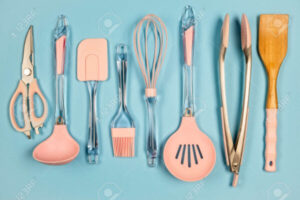
When setting up a kitchen, whether for your home or business, the cost of new kitchen equipment can quickly add up. However, many cooks, chefs, and restaurant owners turn to second-hand appliances as an affordable alternative. Buying pre-owned items can save you a significant amount of money while still providing you with high-quality tools that serve their purpose.
In this article, we will explore why buying used items is a great option, the types of equipment available, and how to make the most out of your purchase. We will also discuss some important tips to keep in mind when buying second-hand items, and answer some common questions about purchasing and maintaining them.
Why Choose Pre-Owned Kitchen Equipment?
There are several reasons why people choose to buy second-hand kitchen tools. Here are some key benefits:
1. Cost Savings
The most obvious reason to purchase second-hand equipment is the savings. New products can be expensive, especially for high-end appliances like refrigerators, ovens, and dishwashers. Buying pre-owned items can save you a considerable amount of money, which can be better spent on other items or upgrades.
2. Quality Products at Lower Prices
High-quality kitchen items from trusted brands like KitchenAid, Viking, or Hobart can be very expensive when purchased new. However, many second-hand pieces are still in great condition and have a long life left. With proper care, these products can continue to function efficiently for years.
3. Environmentally Friendly
Buying pre-owned equipment is also a more sustainable choice. It helps reduce waste by giving items a second life rather than allowing them to be discarded. Recycling kitchen tools by buying used items contributes to a more sustainable lifestyle.
4. Availability of Hard-to-Find Items
Sometimes, specific models or older equipment can be difficult to find in stores. Buying pre-owned allows you to get your hands on items that are no longer in production, or that may be hard to source locally. This is especially useful for chefs and restaurant owners looking for specialty equipment or specific brands.
Types of Second-Hand Kitchen Items You Can Buy
Used kitchen items come in many forms, from small gadgets to large appliances. Here’s a breakdown of some of the most common items that you can find pre-owned:
1. Cookware and Bakeware
Used cookware such as pots, pans, baking sheets, and mixing bowls can be a great way to stock up your kitchen without spending a fortune. Look for items that are made from durable materials like stainless steel, cast iron, or nonstick coatings that are still in good condition.
2. Appliances
Some of the most expensive items in the kitchen are appliances. Here are some commonly bought second-hand appliances:
-
Refrigerators: Used fridges can offer excellent value, especially if they come from reputable brands. Just be sure to check the condition of the door seals and the cooling system.
-
Dishwashers: Dishwashers can be found used at a fraction of the price of new ones. Check the condition of the racks and spray arms.
-
Microwaves and Ovens: Used microwaves and ovens can last for years, especially if they are from a quality brand. Be sure to test all functions before buying.
3. Commercial Kitchen Equipment
For restaurants or home chefs with larger cooking spaces, second-hand commercial kitchen equipment can be a huge cost-saver. Items like:
-
Commercial ovens and ranges
-
Dishwashers and ice machines
-
Deep fryers and mixers
These pieces are typically built to last, and purchasing them pre-owned can save you a lot of money.
4. Small Kitchen Appliances
Small appliances like blenders, food processors, coffee makers, and toasters are some of the most popular second-hand kitchen items. These items don’t have as long a lifespan as larger appliances, but many of them can be found in excellent condition.
How to Buy Second-Hand Kitchen Equipment
Buying pre-owned kitchen equipment requires careful consideration to ensure that you’re getting a good deal and not buying something that will need to be replaced soon. Here are some important tips to keep in mind:
1. Inspect the Condition
Before purchasing any second-hand kitchen item, always inspect it thoroughly. Check for:
-
Visible damage: Look for cracks, dents, rust, or signs of wear and tear that could affect the function of the equipment.
-
Functionality: If possible, test the equipment to ensure that it works properly. For large appliances like refrigerators and ovens, check that the cooling system is functional, and that all buttons, dials, and features are working.
-
Cleanliness: Make sure the item is clean and hasn’t been exposed to mold or mildew.
2. Buy from Reputable Sources
When purchasing pre-owned kitchen equipment, always try to buy from a trusted seller. You can find used items from:
-
Local stores that specialize in secondhand appliances or equipment
-
Online marketplaces like Craigslist, eBay, or Facebook Marketplace
-
Restaurant supply stores that sell used or refurbished equipment
-
Estate sales or auctions for unique or high-quality items
3. Check the Age and Warranty
Before buying, ask the seller how old the equipment is and whether it comes with any warranty or guarantee. Some pre-owned items may still have the original warranty, while others might offer a limited warranty through the seller. It’s essential to know how old the equipment is to estimate how much longer it will last.
4. Negotiate the Price
One of the advantages of buying used is the ability to negotiate the price. Don’t be afraid to ask for a lower price, especially if the equipment shows signs of wear. Sellers may be willing to reduce the price to make a sale, especially if the item has been sitting around for a while.
Maintaining Your Pre-Owned Kitchen Equipment
Once you’ve purchased your second-hand kitchen equipment, it’s important to take good care of it so it lasts as long as possible. Here are some tips for maintaining your new-to-you equipment:
1. Clean Regularly
Always clean your pre-owned equipment after each use. Keep an eye out for food buildup, grease, or dirt that can affect the equipment’s performance. Regular cleaning can also help prevent rust or corrosion from developing.
2. Check for Wear and Tear
Inspect your equipment periodically to look for any signs of wear or malfunction. Address issues like loose parts, broken seals, or faulty wiring promptly to avoid bigger problems in the future.
3. Follow Manufacturer’s Instructions
Whenever possible, refer to the manufacturer’s care instructions for the equipment. This will help you maintain the item properly and keep it in the best condition possible.
Frequently Asked Questions About Second-Hand Kitchen Equipment
1. Is it safe to buy second-hand kitchen equipment?
Yes, buying pre-owned kitchen equipment can be safe if you thoroughly inspect the items and buy from a trusted source. Always test the equipment and check for any visible damage or signs of malfunction.
2. How can I ensure the second-hand kitchen equipment works properly?
To ensure the equipment works properly, inspect it thoroughly, test its functionality if possible, and ask the seller about its condition. Be sure to ask for a return policy or warranty if available.
3. Where can I find quality second-hand kitchen equipment?
You can find quality used kitchen equipment at local appliance stores, restaurant supply stores, estate sales, and online marketplaces like eBay, Craigslist, or Facebook Marketplace.
4. Can I get a warranty for second-hand kitchen equipment?
Some used kitchen equipment may still have the original warranty, but many used items come with no warranty. It’s important to ask the seller about any warranties or guarantees before purchasing.
5. What should I look for when inspecting second-hand kitchen equipment?
When inspecting used kitchen equipment, check for visible damage, functionality, cleanliness, and overall condition. If possible, test the equipment to make sure all parts work properly.
6. How long can second-hand kitchen equipment last?
The lifespan of second-hand kitchen equipment depends on its age, brand, and how well it has been maintained. High-quality items can last many years if they are taken care of properly.
Conclusion
Buying second-hand kitchen equipment is a smart and cost-effective way to upgrade your kitchen without breaking the bank. It allows you to get quality appliances and cookware at a fraction of the price. By following the tips in this article, you can make sure you get the best value from your pre-owned kitchen equipment while also maintaining it for long-term use. Whether you’re buying for your home or business, used equipment can provide great functionality and save you money, all while being environmentally friendly.